
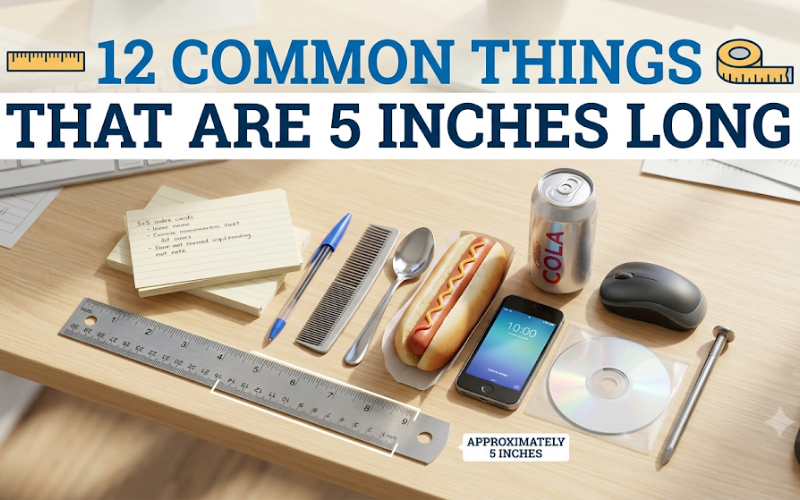
Sometimes you need to measure a space, a piece of fabric, or a small gap, and there isn’t a ruler or tape measure in sight. When you find yourself in this situation, knowing the standard sizes of everyday objects becomes incredibly useful. Using reference points from items lying around your house or in your pocket saves time and helps you estimate dimensions accurately.
This guide breaks down twelve common items that measure exactly or very close to five inches in length. By the time you finish reading, you will always have a mental measuring tool ready to use.
Quick Section: The 5-Inch Cheat Sheet ⏱️
If you are in a rush and just need a fast reference, here is a quick look at the most common items you can use to measure five inches:
- The long side of a standard index card (exactly 5 inches)
- A printed 3×5 photograph (exactly 5 inches)
- A standard US Passport (4.92 inches)
- A standard aluminum soda can (4.83 inches tall)
- A standard pocket comb (usually 5 inches)
- A compact computer mouse (typically 4.5 to 5 inches)
- A standard teaspoon (around 5 inches)
The Complete List of 12 Things That Are 5 Inches Long
Here is a detailed look at everyday items that measure five inches, including why they are manufactured to this specific size and how you can use them as makeshift measuring tools.
1. The Long Edge of a 3×5 Index Card 📝
The traditional index card is one of the most reliable and precise measuring tools you can find in an office or a kitchen drawer. Standard index cards measure exactly three inches tall and five inches wide.
These cards became popular in the 19th century when Carl Linnaeus used early versions to catalog his biological discoveries. Later, Melvil Dewey standardized them for library card catalogs. Because library cabinets were built to hold this exact dimension, the paper industry adopted 3×5 inches as a permanent global standard.
If you are trying to measure a five-inch gap, simply lay an index card flat along its longest edge. Because they are made from rigid cardstock, they will not bend or warp easily, giving you a straight, accurate five-inch line.
2. A 3×5 Printed Photograph 📸
While digital photography has largely replaced physical photo albums, many people still have standard printed photographs at home. For decades, the 3×5 print was the default size provided by film developers and one-hour photo labs.
The long edge of this photograph measures exactly five inches. The sizing stems from the aspect ratio of 35mm film, which translates perfectly into this print format without having to crop out important details of the image.
If you have a traditional photo album or a small picture frame sitting on your desk, the glass or the photo inside is an excellent reference point for five inches.

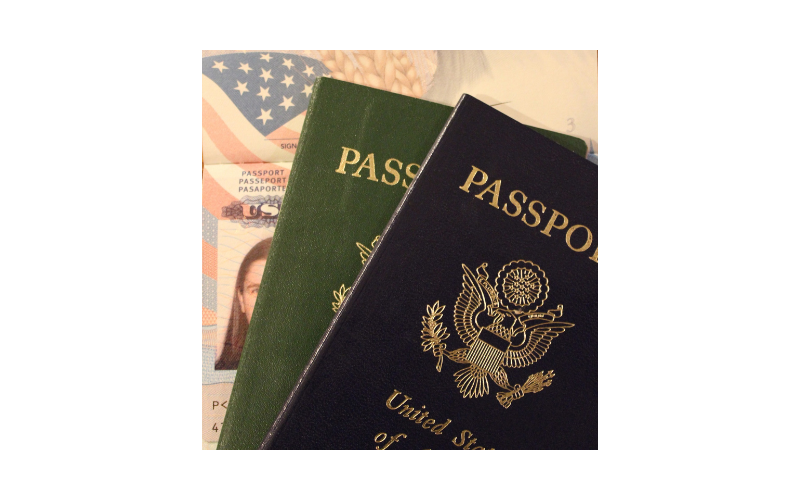
3. A Standard United States Passport 🛂
Passports are highly standardized documents governed by international agreements. The International Civil Aviation Organization (ICAO) sets the specific rules for machine-readable travel documents. A standard passport booklet falls under the ID-3 size specification.
According to this standard, a passport must measure 125.00 millimeters by 88.00 millimeters. When you convert 125 millimeters to inches, you get 4.921 inches. This is less than a tenth of an inch away from being exactly five inches long.
The rationale behind this specific dimension is portability. A five-inch booklet easily fits into a standard suit pocket, a money belt, or a small purse, while still providing enough surface area to fit visas, entry stamps, and secure identification chips.
4. A Typical Pocket Comb 💈
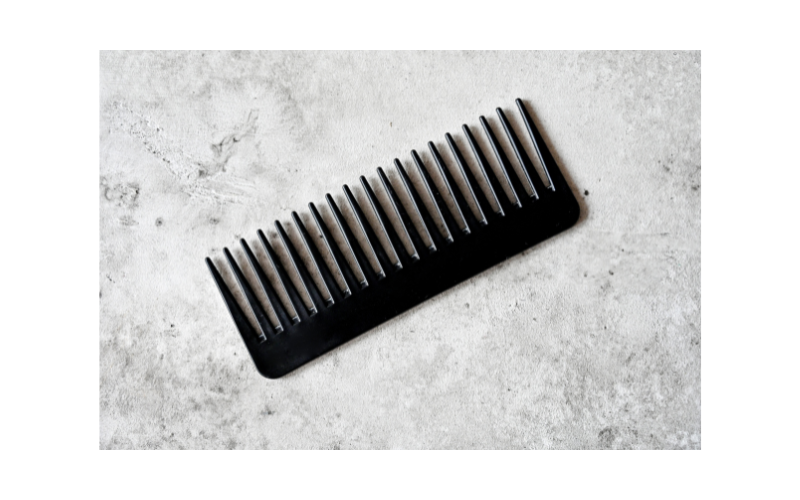
Personal grooming items are designed based on human ergonomics, and the classic pocket comb is a perfect example of this. Most standard pocket combs, specifically the black plastic ones commonly given out by barbers or sold in multipacks at pharmacies, are exactly five inches long.
This length is not accidental. Five inches provides enough spine length for an adult hand to grip comfortably while still being short enough to slide horizontally into the back pocket of a pair of jeans without snapping when the person sits down.
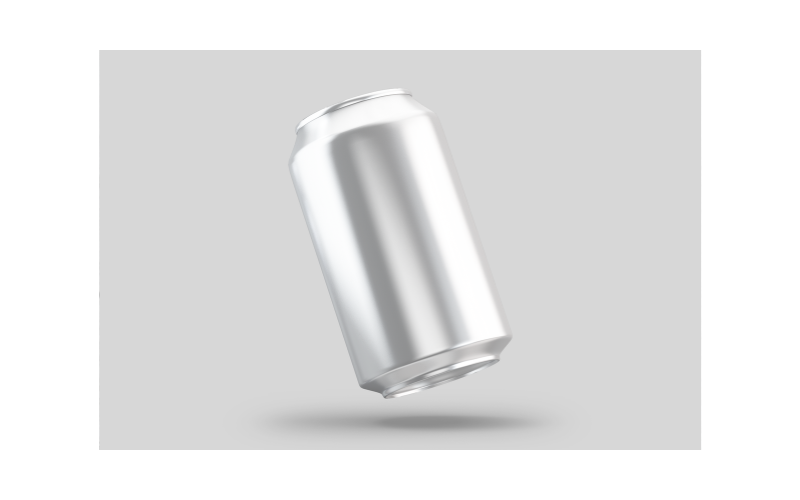
5. A 12-Ounce Soda Can 🥤
Beverage containers are engineered with high precision to maximize shipping efficiency and fit perfectly into vending machines. The standard 12-ounce aluminum soda can used in North America measures exactly 4.83 inches in height.
While it is roughly 0.17 inches shy of a perfect five inches, it is close enough for general estimation. You can place a soda can next to an object to get a very clear idea of whether that object is smaller, larger, or exactly five inches long. The beverage industry settled on this height because it allows for stable stacking on shipping pallets and fits the average human hand grip comfortably.
6. A Standard Teaspoon 🥄
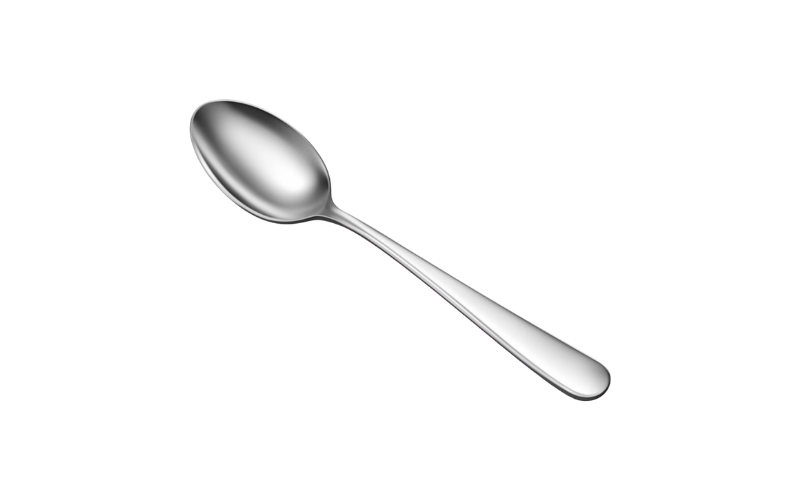
Cutlery sizes vary slightly depending on the manufacturer and the specific pattern of the silverware. However, the standard teaspoon found in a typical home kitchen setup usually ranges between five and five and a half inches long from the tip of the bowl to the end of the handle.
Teaspoons are intentionally designed to be small enough to stir sugar into a small teacup without tipping the cup over, yet long enough to reach the bottom. If you pull a standard teaspoon out of your cutlery drawer, you can use it as a highly accessible five-inch measuring guide.
7. A Compact Computer Mouse 🖱️
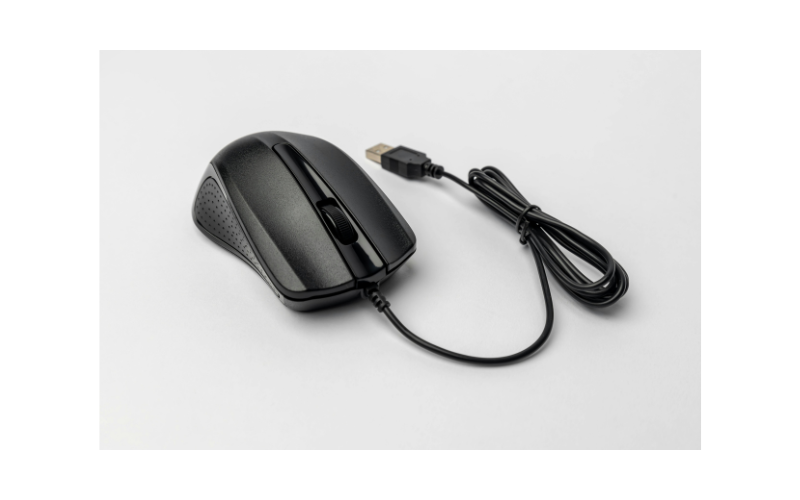
Hardware designers spend millions of dollars studying hand sizes to create comfortable computer peripherals. A standard, compact office mouse—like the ones provided with basic desktop computers or sold as travel accessories—typically measures right around the five-inch mark in length.
A mouse measuring between 4.5 and 5 inches supports the natural arch of the human palm. If a mouse is much longer, it becomes difficult for users with smaller hands to reach the scroll wheel. If it is shorter, it causes hand cramping during prolonged use.
8. A Classic Ballpoint Pen 🖊️
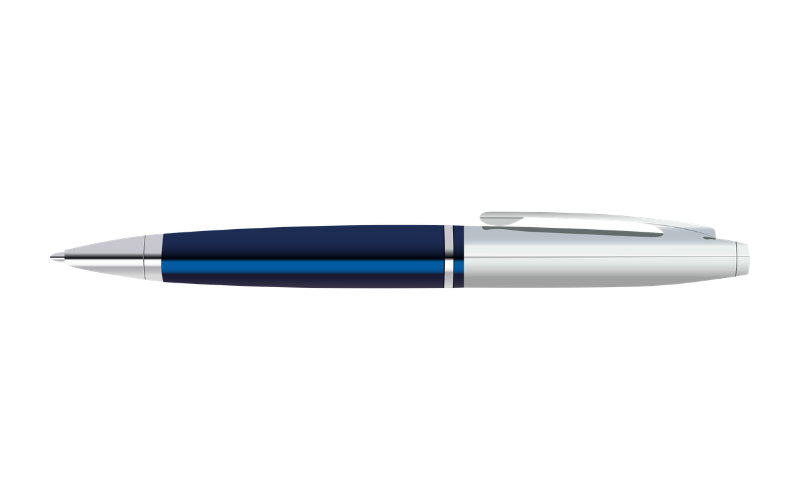
Writing instruments are another product deeply tied to the mechanics of the human hand. A classic stick ballpoint pen, such as the famous Bic Cristal without its cap on, measures very close to five and a half inches.
However, many retractable pocket pens and daily carry pens are designed specifically to hit the five-inch mark. This length ensures the barrel rests comfortably in the web of the hand between the thumb and index finger while writing. If you need to estimate five inches, a standard pen will get you very close, usually overshooting the mark by just a fraction.
9. An Everyday Hot Dog 🌭
In the food industry, standardization helps with mass production and packaging. A standard grocery store hot dog, produced by major meatpacking brands, typically measures exactly five inches in length before it is cooked.
This length is standard because it fits neatly into an eight-count plastic package and corresponds with the average size of a hot dog bun, which is usually baked to be about five and a half inches long to allow for slight expansion of the meat.

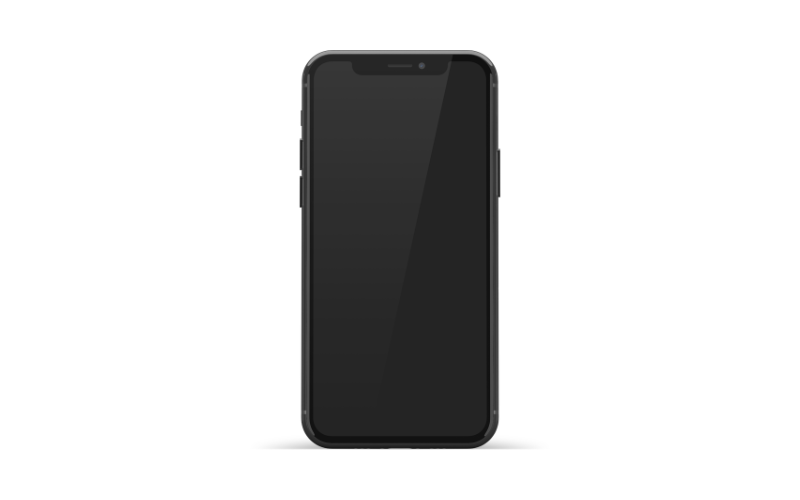
10. A Compact Smartphone 📱
While modern flagship smartphones are growing larger, with screens often exceeding six inches, older or more compact smartphone models are excellent five-inch references.
Devices like the original iPhone SE, the iPhone 12 Mini, or older Android devices often feature total body lengths right around five to five and a half inches. Phone manufacturers historically favored the five-inch form factor because it allowed users to reach all four corners of the screen with their thumb while holding the device in one hand.
11. A Standard CD or DVD 💿
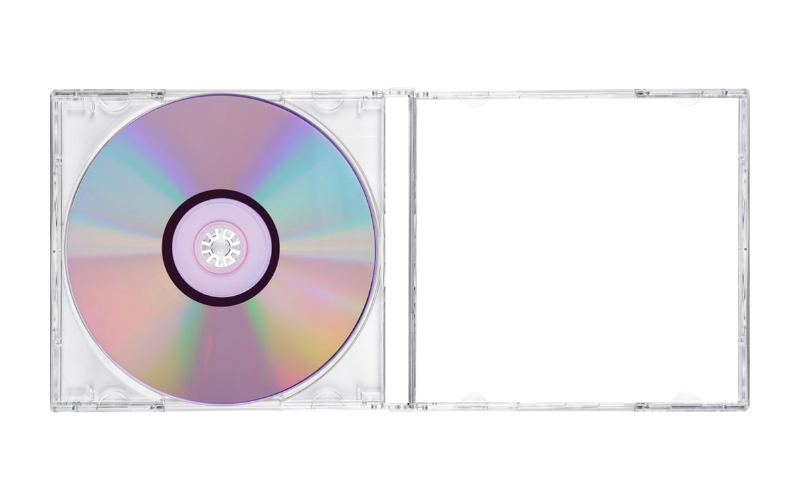
Physical media formats rely on strict global standards to ensure compatibility across all hardware players. The standard Compact Disc (CD), Digital Versatile Disc (DVD), and Blu-ray disc all share the exact same physical dimensions.
These discs have a diameter of 120 millimeters, which translates to 4.72 inches. This is just a quarter of an inch shy of five inches. The history behind this size is fascinating; it was chosen in the late 1970s because a 120mm disc could hold exactly 74 minutes of audio, which was the precise length needed to fit a full performance of Beethoven’s Ninth Symphony onto a single disc.
12. A Five-Inch Hardware Nail 🔨
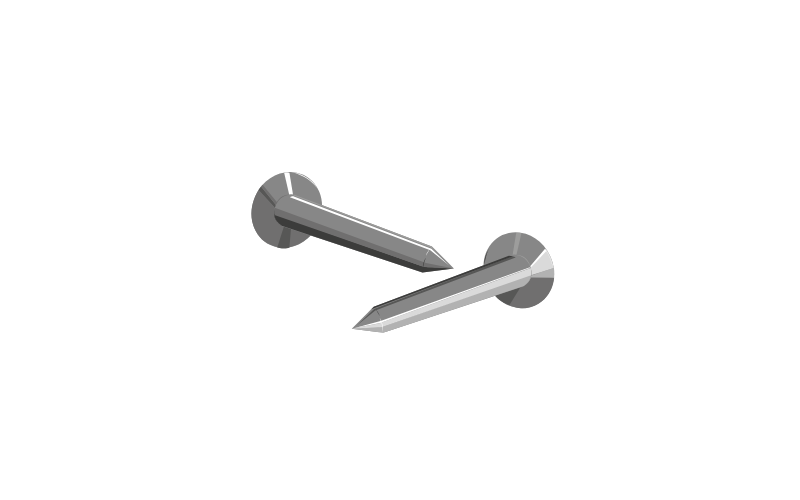
In the construction and carpentry world, fasteners are sold in highly specific lengths for different load-bearing purposes. A “40d” (forty-penny) nail is a heavy-duty spike used in timber framing, masonry, and heavy structural work.
A standard 40d nail measures exactly five inches in length. Hardware manufacturers maintain strict quality control on these lengths to ensure they penetrate multiple pieces of framing lumber properly to meet structural building codes.
Interesting Sections on Measurement 📏
Why the 5-Inch Measurement is Common
The prevalence of five-inch objects in our daily lives is largely driven by human anatomy. The average adult hand has specific gripping limitations. Objects meant to be held entirely in the palm or operated with the fingers—like a mouse, a pocket comb, or a smartphone—naturally gravitate toward the five-inch mark. It provides the ideal balance between usability and portability.
How to Estimate 5 Inches Using Your Hands
If you do not have any of the items listed above, you can use your own body to estimate five inches. For the average adult, the distance from the base of the palm (where it meets the wrist) to the tip of the middle finger is about seven to seven and a half inches.
To estimate five inches, look at your hand. The distance from the tip of your thumb to the tip of your index finger when stretched apart (known as a hand span) is roughly six to seven inches. However, the length of an average adult thumb—from the knuckle at the base of the hand to the tip—is often around two and a half inches. Placing your two thumbs end-to-end will give you a very accurate five-inch measurement.
BioWiki Table: Summary of 5-Inch Items 📊
| Item Name | Exact Length / Size | Primary Material | Common Usage |
| Index Card | 5.00 inches (Long Edge) | Heavy Paper / Cardstock | Note-taking, flashcards |
| Printed Photograph | 5.00 inches (Long Edge) | Photo Paper | Memories, albums |
| US Passport | 4.92 inches (Height) | Paper / Secure Card | International Travel |
| Pocket Comb | 5.00 inches (Length) | Plastic / Acetate | Hair grooming |
| Soda Can | 4.83 inches (Height) | Aluminum | Beverage consumption |
| Standard Teaspoon | ~5.00 – 5.50 inches | Stainless Steel | Stirring, eating |
| Compact Mouse | ~4.50 – 5.00 inches | Plastic / Electronics | Computer navigation |
| Classic Pen | ~5.00 – 5.50 inches | Plastic / Ink | Writing |
| Hot Dog | 5.00 inches (Length) | Processed Meat | Food / Grilling |
| Compact Smartphone | ~5.00 – 5.40 inches | Glass / Aluminum | Communication |
| CD / DVD | 4.72 inches (Diameter) | Polycarbonate Plastic | Data / Media storage |
| 40d Hardware Nail | 5.00 inches (Length) | Steel | Construction |
Frequently Asked Questions (FAQs) ❓
How can I accurately measure 5 inches without a ruler?
The most accurate way to measure five inches without a ruler is to find a standard 3×5 index card or a 3×5 printed photograph. The longest side of both of these items is cut to exactly five inches by manufacturing standards. You can use the edge of the card to draw a line or measure a gap with high confidence.
Is a dollar bill 5 inches long?
No, a standard United States paper banknote is slightly longer than five inches. All modern US bills measure exactly 6.14 inches in length and 2.61 inches in height. If you need a five-inch measurement, a dollar bill will be over an inch too long.
How many centimeters are in 5 inches?
There are exactly 12.7 centimeters in five inches. If you only have a metric ruler available, you can find the 12.7 cm mark to get a precise five-inch measurement.
Why is knowing object sizes useful?
Knowing standard object dimensions helps with spatial reasoning and quick estimations. It is helpful when shopping online for bags, clothing, or furniture, as it allows you to visualize dimensions in the real world without needing physical measuring tapes.
Does hand size affect estimating 5 inches?
Yes, using your hand to estimate measurements varies greatly depending on the individual. While two average adult thumbs placed end-to-end usually equal five inches, someone with larger or smaller hands will have a different measurement. It is always better to rely on standardized manufactured items like index cards or passports for accuracy.
Related Posts
- 10 Common Things That Are 4 Inches Long
- 11 Common Things That Are 2 Inches Long
- 10 Common Things That Are 1 Inch Long
- 12 Common Things That Are 10 Inches Long
Conclusion 🧠
Understanding the dimensions of everyday items equips you with a highly practical skill, whether you are shopping for decor or tackling a quick DIY repair. You no longer need to halt your progress just because a tape measure is missing; by simply reaching for a standard 3×5 index card, a compact smartphone, or a classic pen, you can make confident, accurate spatial estimates on the spot. Ultimately, the world around you is filled with built-in rulers purposefully designed to align with human hands and manufacturing standards, so keep these twelve common objects in mind to always have a reliable, instantly accessible way to measure your surroundings. 📏✨
FOR MORE MEASUREMENTS: MEASURINGSPOT