
Having a solid grasp of spatial awareness and basic measurements is an incredibly useful skill for everyday tasks. Whether you are trying to estimate the size of a shipping box, visualize how much space a new item will take up on your desk, or figure out dimensions without a ruler on hand, knowing the exact size of common household items saves a significant amount of time.
When you need to measure something relatively small, a foot—or 12 inches—is the standard go-to unit. However, many things we interact with daily fall just short of that mark. Eleven inches is a fascinating measurement because it is incredibly common in manufacturing, yet it often goes unnoticed. It is a measurement that fits perfectly in standard bags, lines up beautifully on kitchen counters, and is visually very easy to estimate once you know what to look for. By memorizing a few everyday items that hit this exact, or near-exact, length, you effectively carry a mental measuring tape wherever you go.
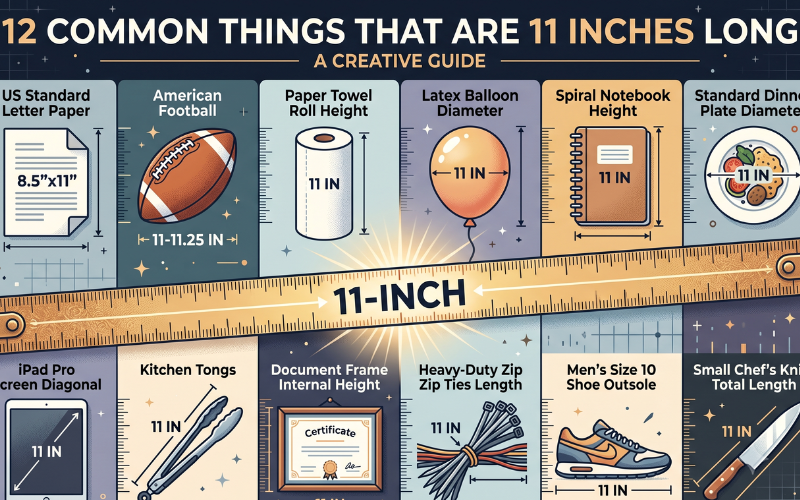
Below is a highly detailed list of common items that measure exactly or approximately 11 inches in length, along with the history, design logic, and practical applications behind why they are manufactured to this specific size.
Quick Section: Fast Facts About 11 Inches ⚡
Before getting into specific items, here are a few rapid-fire facts regarding this particular unit of measurement:
- Metric Conversion: 11 inches is exactly equal to 27.94 centimeters or 279.4 millimeters.
- Fractional Math: 11 inches is exactly eleven-twelfths of a standard foot.
- Visualizing the Length: If you take a standard 12-inch wooden school ruler and cover up the final inch with your thumb, the remaining visible portion is exactly 11 inches.
- Standardized Production: Many consumer goods are capped at 11 inches because it represents a comfortable maximum span for human hands to hold items securely without them tipping over or losing balance.
- Digital Translation: In graphic design, an 11-inch long digital canvas printed at a standard 300 DPI (dots per inch) resolution translates to exactly 3300 pixels in length.
The 11-Inch Biowiki Table 📋
Here is a quick reference table categorizing our 12 everyday items based on their standard measurements.
| Item | Category | Exact/Approximate Length | Common Use |
| US Letter Paper | Stationery | 11 inches (Length) | Printing, writing, legal documents |
| American Football | Sports | 11 to 11.25 inches | Competitive sports, recreation |
| Paper Towel Roll | Household | 11 inches (Height) | Cleaning, kitchen spills |
| Latex Balloon | Party Supplies | 11 inches (Diameter) | Decorations, celebrations |
| Spiral Notebook | Education | 11 inches (Length) | Note-taking, studying |
| Standard Dinner Plate | Dining | 11 inches (Diameter) | Serving meals, portion control |
| iPad Pro Screen | Electronics | 11 inches (Diagonal) | Web browsing, digital art |
| Kitchen Tongs | Culinary | 11 inches (Length) | Grilling, tossing salads |
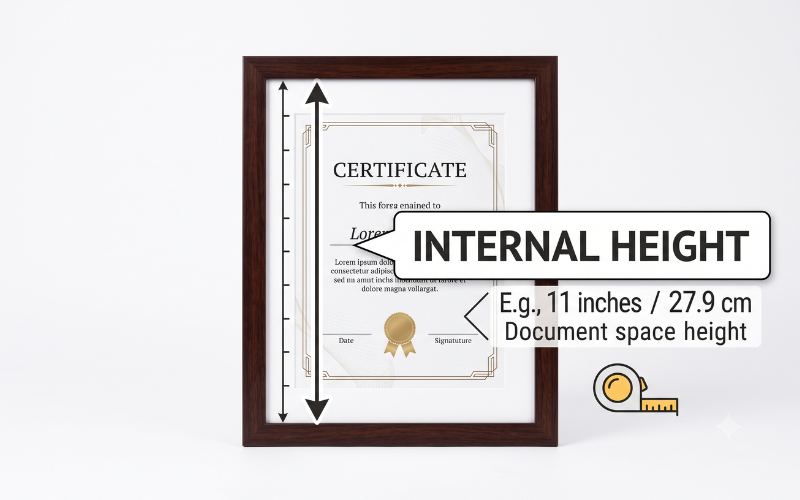
| Document Frame | Decor | 11 inches (Inner Height) | Displaying certificates, degrees |
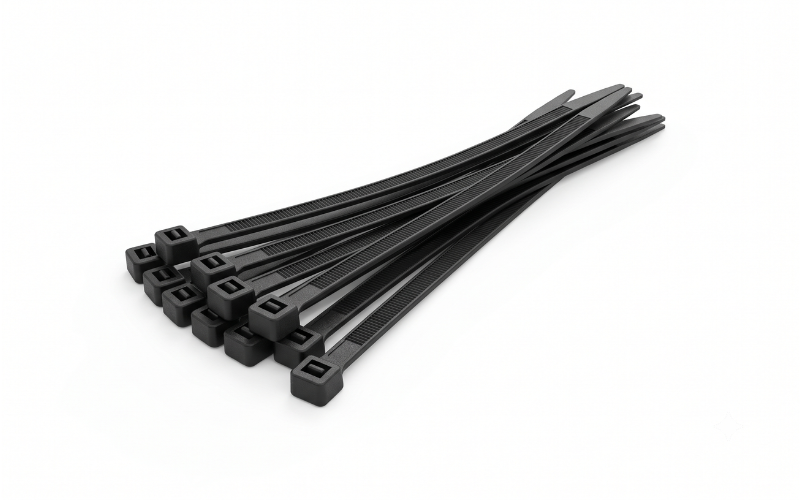
| Zip Ties (Cable) | Hardware | 11 inches (Length) | Securing wires, fastening |
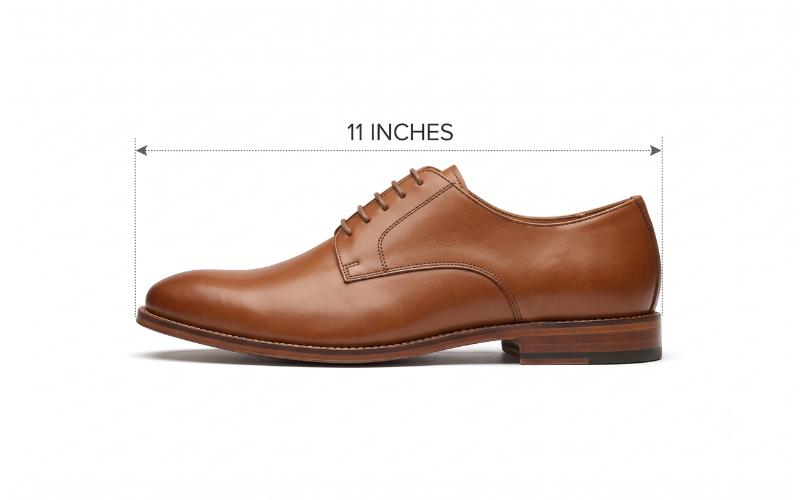
| Men’s Size 10 Shoe | Apparel | ~11 inches (Outsole) | Walking, athletic support |
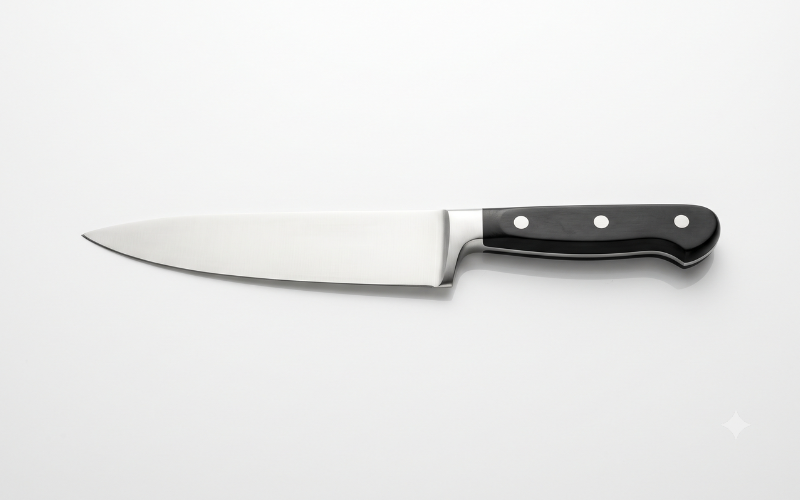
| Small Chef’s Knife | Culinary | ~11 inches (Total Length) | Chopping, food prep |
1. US Standard Letter Size Paper 📄
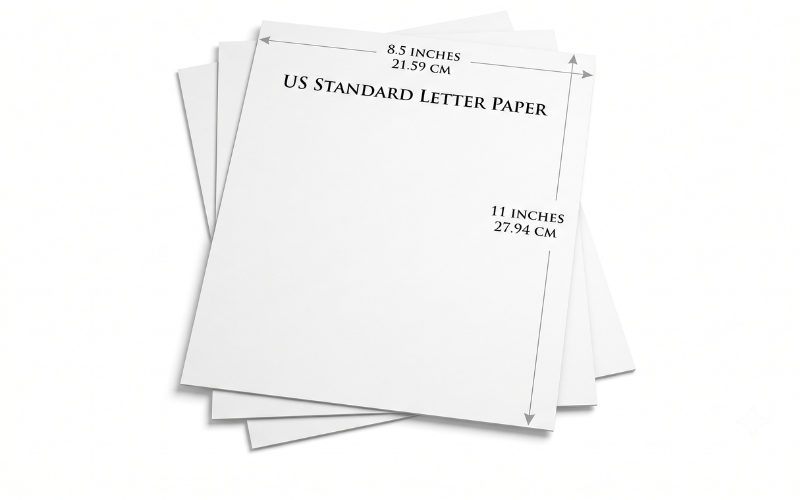
If you live in North America, you handle an object that is exactly 11 inches long almost every single day. The standard paper size used for personal printers, office copiers, notebooks, and official documentation is known as “US Letter” size, which measures exactly 8.5 inches wide by 11 incheslong.
The history of this specific dimension is rooted in the early days of paper manufacturing. Before automated machinery, paper was made by hand using molds. The maximum stretch of a paper worker’s arms dictated the size of the mold, which typically resulted in a sheet that was about 17 inches by 22 inches. When you fold a 17×22 inch sheet in half twice, you are left with four pages that each measure exactly 8.5 by 11 inches.
In the early 1980s, the United States government made the 8.5 x 11-inch size the official paper standard for all federal offices during the Ronald Reagan administration. Before this, the government used a slightly different size known as Government Letter (8 x 10.5 inches). Standardizing the 11-inch length saved the printing industry millions of dollars in equipment calibration and ensured that standard filing cabinets, document folders, and binders could all be universally manufactured to accommodate an 11-inch vertical page.
2. A Standard American Football 🏈
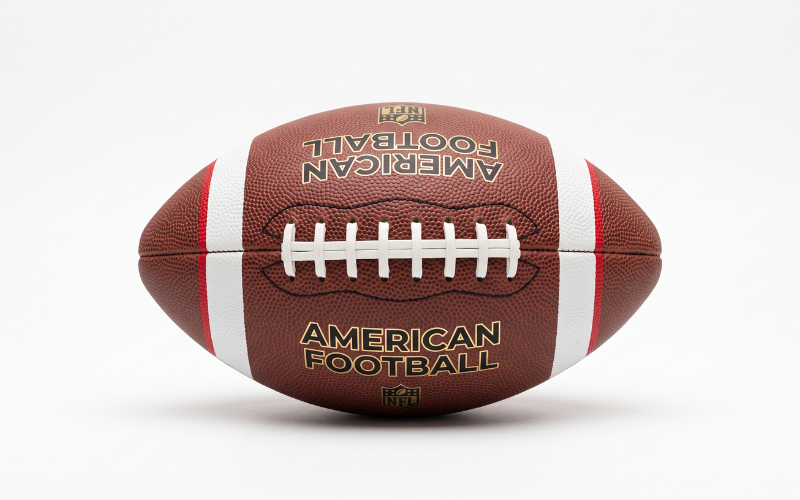
When autumn arrives and the NFL season begins, millions of people tune in to watch athletes throw an object that is practically 11 inches long. According to the official rulebook of the National Football League, the long axis of a standard American football must measure between 11 and 11.25 inches from tip to tip.
The shape of the football, officially called a prolate spheroid, was developed to make the ball easier to grip and throw in a forward pass. In the early days of the sport, the ball was much rounder, resembling a rugby ball or a modern volleyball. As the rules of the game changed to favor aerial passing, manufacturers like Wilson Sporting Goods altered the design, elongating the ends and narrowing the middle.
The 11-inch length is not arbitrary. It represents the optimal aerodynamic shape for cutting through the air with minimal wind resistance when spun in a spiral. Furthermore, an 11-inch length allows a quarterback with average to large hands to find the laces, grip the leather securely, and apply the necessary torque to throw the ball accurately over long distances.
3. A Standard Paper Towel Roll 🧻
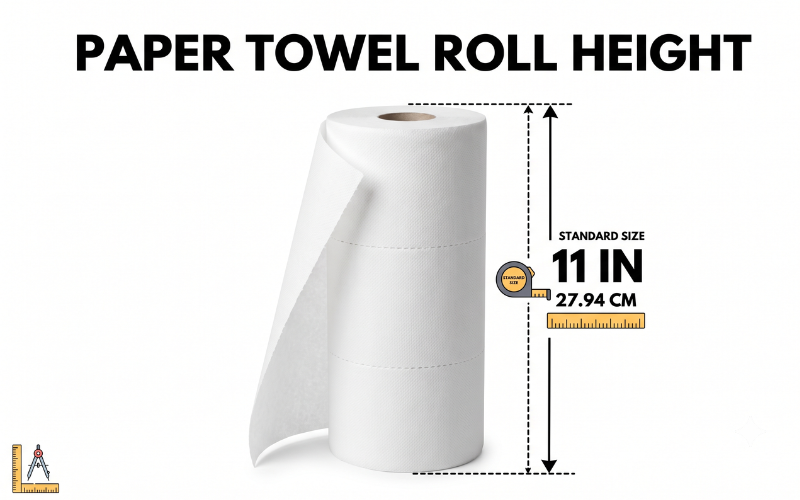
Walk into almost any kitchen in North America, and you will find an 11-inch measuring tool sitting right on the countertop. The standard height of a commercial paper towel roll is exactly 11 inches from the bottom edge of the cardboard tube to the top edge.
This dimension is heavily tied to the US Letter paper standard mentioned earlier. Paper towel manufacturers designed their milling machines to match existing paper production standards to keep manufacturing costs down. Because 11 inches was already the standard for flat paper, the machinery that cuts giant rolls of absorbent paper into consumer-sized products was calibrated to that exact width.
Additionally, this 11-inch height plays perfectly into architectural standards for residential kitchens. Standard upper kitchen cabinets are installed 18 inches above the countertop. An 11-inch tall paper towel roll, whether sitting on a vertical stand or mounted under the cabinet, leaves exactly 7 inches of clearance space. This allows for easy dispensing and replacement without the roll bumping into the cabinetry or crowding the workspace below.
4. The Standard 11-Inch Latex Balloon 🎈
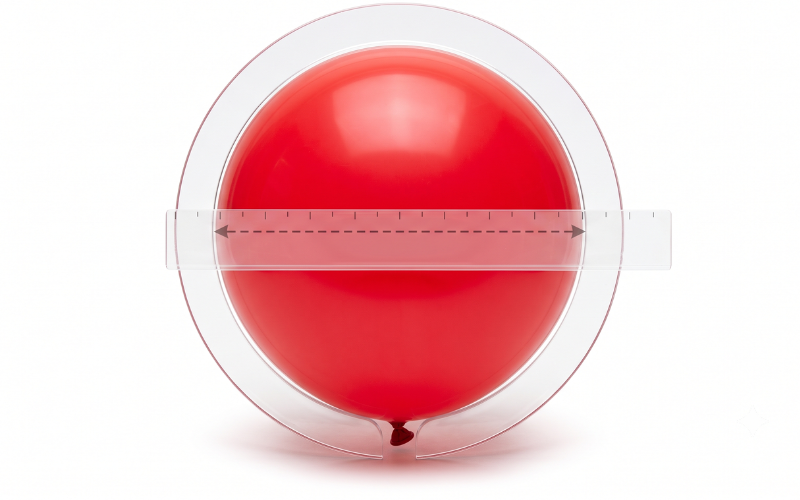
If you have ever purchased balloons for a birthday party, graduation, or corporate event, you have likely purchased an 11-inch balloon. In the professional party supply and floral industry, the 11-inch latex balloon is the absolute standard size for helium inflation.
When a manufacturer lists a balloon as “11-inch,” they are referring to the diameter of the balloon across its widest point when fully inflated. This specific size became the industry standard because of physics and economics. An 11-inch balloon holds approximately 0.5 cubic feet of helium gas. This exact volume provides enough lift to counter the weight of the latex rubber and an attached ribbon, allowing the balloon to float beautifully for 18 to 24 hours.
Balloons smaller than 9 inches do not hold enough helium to float reliably for an entire day, and balloons larger than 12 inches consume so much expensive gas that they become cost-prohibitive for standard events. The 11-inch diameter strikes the perfect balance, ensuring a round, visually pleasing shape that stays airborne throughout the duration of a typical celebration.
5. A Standard Spiral Notebook 📓
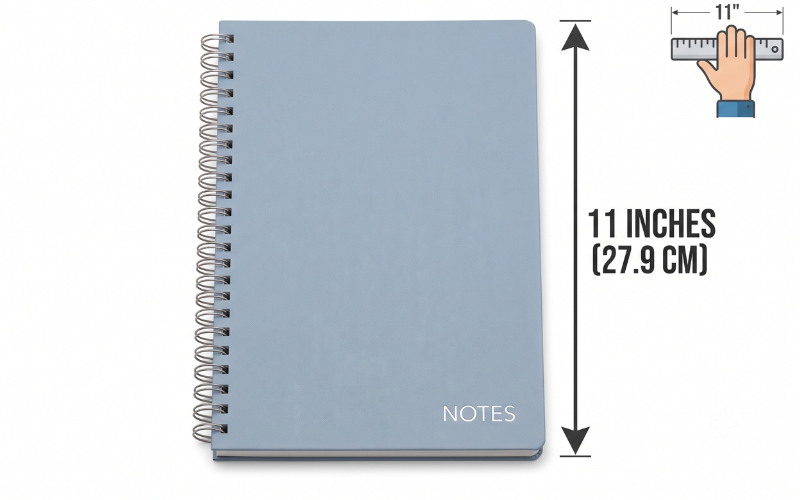
School supplies offer another highly reliable way to visualize this measurement. The classic wire-bound spiral notebook, an absolute staple in high schools and universities worldwide, measures exactly 11 inches from the top edge of the cover to the bottom edge.
This sizing aligns perfectly with the 8.5 x 11-inch US Letter standard, ensuring that students can easily transfer notes, insert printed syllabus pages, or tear out assignments to hand in to their teachers. The 11-inch vertical length is particularly important for the ruling of the pages inside.
In a standard “College Ruled” notebook, the horizontal lines are spaced 9/32 of an inch apart. An 11-inch tall page accommodates exactly 33 lines of writing space, leaving a standard margin at the top for headers, dates, and titles. If the notebook were shorter, students would constantly run out of space during fast-paced lectures. If it were longer, the structural integrity of the thin cardboard cover would fail, causing the notebook to bend and crumple when shoved roughly into a backpack.
6. A Standard Dinner Plate 🍽️
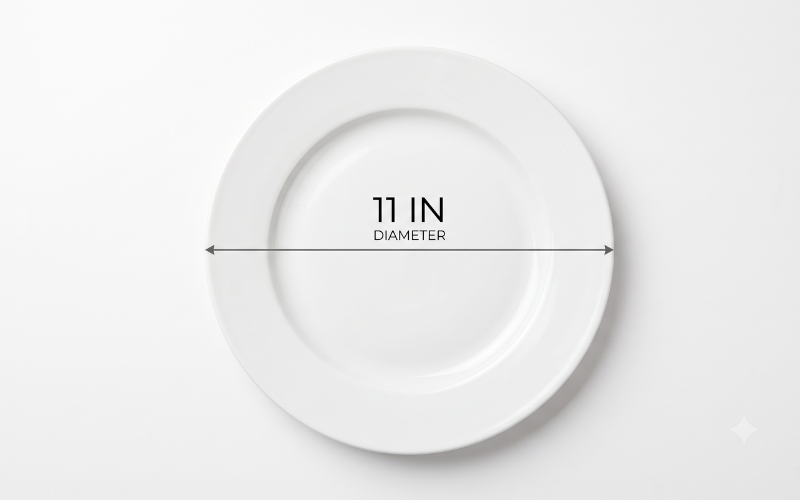
The next time you set the table for a formal dinner, pay attention to the plates. In modern culinary and homeware manufacturing, the standard diameter of a primary dinner plate is typically 11 inches.
Interestingly, plate sizes have grown significantly over the last few decades. In the 1950s and 1960s, the average American dinner plate measured roughly 9 inches across. As restaurant portions grew and culinary presentation shifted to emphasize negative space around the food, manufacturers expanded the plates. Today, the 11-inch plate is considered the ideal canvas for a main course, allowing enough room for a protein, a starch, and a vegetable to sit comfortably without touching or crowding the rim.
This 11-inch diameter also has major implications for appliance manufacturing. Dishwasher manufacturers design the tines on their lower racks specifically to accommodate plates up to 11.5 inches. An 11-inch plate fits perfectly into a standard dishwasher slot, allowing the spinning water jets to clean the surface without the top edge of the plate blocking the rotating arm above it.
7. The 11-Inch iPad Pro Screen 📱
In the realm of consumer electronics, screen sizes are highly specific and fiercely marketed. Apple’s popular iPad Pro model is famous for its 11-inch variant. When a technology company advertises an 11-inch device, they are referring to the diagonal measurement of the screen, from the bottom left corner to the top right corner of the active display area.
Tech engineers settled on an 11-inch diagonal screen because it offers a massive leap in productivity over a standard smartphone without crossing the threshold into laptop territory. An 11-inch screen provides enough real estate to run two applications side-by-side comfortably. It is large enough to display a full digital keyboard at the bottom of the screen while still leaving plenty of room to read the text you are typing above it.
Furthermore, a device with an 11-inch screen usually has a physical chassis length of around 9.7 inches and a width of 7 inches, keeping the total weight right around one pound. This ensures the tablet remains light enough to hold in one hand while reading on a couch, which is something much larger 13-inch tablets struggle to achieve.

8. Standard Medium Kitchen Tongs 🥗
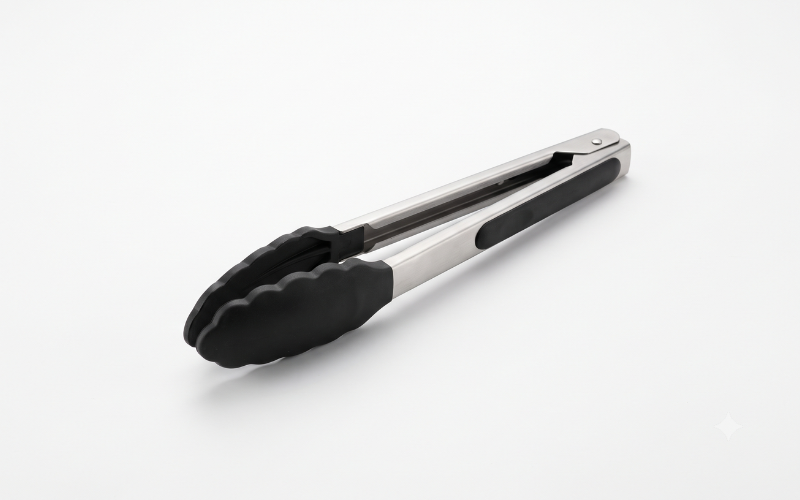
Professional chefs and home cooks alike rely on high-quality tools to manipulate food safely. The most common and versatile tool in any kitchen drawer is the standard medium-sized kitchen tong, which almost universally measures 11 inches from the locking mechanism at the back to the scalloped tips at the front.
In the culinary world, tongs usually come in three sizes: 9-inch, 11-inch, and 16-inch. The 11-inch variant is the undisputed favorite for general kitchen use. The length is purely a matter of thermal safety and wrist leverage. When you are searing a steak in a hot cast-iron skillet, an 11-inch reach keeps your hand safely away from popping oil and rising steam.
At the same time, 11 inches is short enough to maintain precise mechanical control over the tips. If you use massive 16-inch barbecue tongs in a small indoor pan, the extended length acts as a lever working against you, making it difficult to perform delicate tasks like turning fragile fish or plating pasta. The 11-inch tong offers the ultimate compromise between safety distance and fine motor control.
9. Inner Height of a Document Frame 🖼️
When you graduate from university, receive a professional certification, or win an award, you naturally want to display it. If you purchase a standard document frame from any craft or office supply store, the inner vertical height—the space designed to hold the glass and the document—measures exactly 11 inches.
This relates back directly to the US Letter standard of 8.5 by 11 inches. However, frame manufacturing requires incredible precision to ensure the document looks good. The inner lip of the frame, known as the rabbet, is usually cut slightly smaller than 11 inches (often 10.75 inches) so the edges of the paper do not fall out through the front of the frame.
Despite this tiny overlap, the channel itself is routed to exactly 11 inches. This sizing ensures that the customer does not have to trim their expensive, official diploma with scissors just to get it to fit under the glass. It provides a perfect, flush fit that preserves the integrity of the document for decades.
10. Standard Heavy-Duty Zip Ties 🔧
In the worlds of construction, automotive repair, and computer networking, cable management is a serious business. The heavy-duty nylon zip tie (or cable tie) is a crucial fastener, and the 11-inch length is one of the most common and heavily utilized sizes in the industry.
An 11-inch zip tie is usually rated for 50 pounds of tensile strength. This specific length is popular because of the mathematics of circumference. To bundle a thick group of Ethernet cables, secure a loose hubcap, or lash a garden hose to a fence post, you need a tie that can wrap entirely around the objects and still have enough “tail” left to pull tightly through the ratcheting head.
An 11-inch tie can comfortably bundle materials up to 3 inches in total diameter. Shorter 4-inch or 6-inch ties are practically useless for anything larger than a few thin wires, while massive 24-inch ties are too bulky and expensive for everyday fixes. The 11-inch tie provides the perfect length for 90% of household and industrial fastening needs.
11. A Men’s Size 10 Shoe (Outsole) 👟
Estimating measurements using your own body is an ancient practice, dating back to when a “foot” was literally the length of a king’s foot. Today, if you are wearing a United States Men’s size 9.5 or 10 athletic shoe, the outer sole of your footwear is very likely around 11 inches long.
Shoe sizing is highly standardized using a tool called the Brannock Device. A US Men’s size 10 corresponds to a physical foot length of exactly 10.12 inches. However, shoemakers cannot make the shoe the exact same size as the foot; otherwise, the wearer’s toes would jam painfully into the front of the shoe during walking.
Manufacturers add space to the toe box (known as “toe spring” clearance) and add thick rubber treads to the heel and sole for shock absorption. By the time the layers of rubber, foam, and fabric are assembled, a shoe designed for a 10.12-inch foot extends outward to an overall physical footprint of approximately 11 inches. This makes your shoe a remarkably handy tool for pacing out rough distances in a room or a garden.
12. A Small Chef’s Knife 🔪
In culinary arts, the chef’s knife is an extension of the cook’s arm. While large, professional kitchens often utilize massive 9-inch or 10-inch blades, the standard small chef’s knife—frequently preferred by home cooks for its maneuverability—measures roughly 11 inches in total length from the butt of the handle to the tip of the blade.
This measurement is the sum of two distinct parts. The blade itself is typically 7 inches long. This length provides enough flat cutting edge to rock through an onion or slice a chicken breast efficiently. The handle makes up the remaining 4 inches.
Four inches of handle is the biomechanical minimum required for an average adult hand to wrap all four fingers securely around the grip while pinching the bolster (the thick steel junction between the handle and blade) with the thumb and index finger. When a 7-inch blade is paired with a 4-inch handle, the result is an 11-inch tool that offers perfect balance. The center of gravity rests right where the chef’s fingers grip the knife, reducing wrist fatigue and vastly improving cutting accuracy.
Interesting Section: The Psychology of “Almost a Foot” 🧠
Humans process measurements and distances using cognitive maps and relative associations. We are very good at understanding clean, round numbers like 10 or fractions like one-half. We also heavily rely on standard units, like a 12-inch foot. However, we struggle significantly with numbers that fall just short of a major threshold.
Because 11 inches is so close to a standard foot, the human brain often rounds up when estimating visually. If you ask a person to look at an 11-inch object and guess its size, they will almost always assume it is a full foot long. This psychological blind spot occurs because the 1-inch difference (which is less than 10% of the total object’s length) is extremely difficult for the naked eye to detect without a point of reference.
By actively memorizing items that are 11 inches long, you calibrate your brain to recognize this slight deficiency. When you know what 11 inches looks like on a piece of paper or a plate, you become much sharper at spatial reasoning. You stop relying on broad guesses and start using tangible mental anchors, making you far more accurate when shopping for furniture, planning a garden layout, or checking the dimensions of an online product before hitting the purchase button.
Interesting Section: Why 11 Inches Matters in Manufacturing ⚙️
In the world of industrial design and mass production, measurements are entirely dictated by logistics and packaging efficiency. The 11-inch length is incredibly prominent in manufacturing simply because it fits perfectly into international shipping standards.
When a factory produces goods, those items must be placed in cardboard boxes, stacked on wooden pallets, and loaded into metal shipping containers. A standard North American pallet measures 48 inches by 40 inches. Manufacturers mathematically optimize product dimensions to ensure that boxes fit onto these pallets perfectly, with zero wasted space and zero overhang.
Because 11 inches leaves room for the thickness of a cardboard box and protective foam, products of this size can be packed densely and efficiently. An item that is slightly too long will not fit cleanly onto the pallet grid, forcing the factory to use larger boxes and ship “dead air,” which drastically increases freight costs. Therefore, from paper goods to electronics to kitchenwares, engineers deliberately cap their designs around the 11-inch mark to guarantee that the product remains highly profitable to store, ship, and stock on retail shelves.
Frequently Asked Questions (FAQs) ❓
How can I measure 11 inches without a ruler?
The absolute easiest way to measure exactly 11 inches without any specialized tools is to grab a standard sheet of printer paper (US Letter size). The longest edge of that paper is precisely 11 inches. If you do not have paper, you can place a standard paper towel roll flat on the ground; its height will give you the same measurement.
Is an A4 piece of paper 11 inches long?
No, A4 paper and US Letter paper are different sizes, though they are often confused. A4 is the international standard paper size used in most countries outside of North America. An A4 sheet measures 210 by 297 millimeters, which translates to 8.27 inches wide and 11.69 inches long. Therefore, A4 paper is slightly more than half an inch longer than the exact 11-inch length of US Letter paper.
Why is 11 inches such a common measurement for household tools?
Household tools, like spatulas, tongs, and knives, often hover around the 11-inch mark due to the biomechanics of the human arm and hand. Eleven inches provides enough length to create a useful mechanical lever or keep hands safe from heat, while still remaining short enough to store easily in a standard 18-inch deep kitchen drawer. Tools much longer than this become cumbersome to wash in a standard sink and difficult to store.
Does 11 inches look noticeably smaller than a foot?
To the untrained eye, 11 inches and 12 inches look practically identical unless they are placed directly side-by-side. Because the difference is only one inch, most people will assume an 11-inch object is a full foot long if asked to estimate it from a distance.
How does knowing these measurements help me?
Memorizing the sizes of standard everyday objects essentially turns your environment into a massive, invisible ruler. It prevents you from making costly errors when buying items online, helps you quickly determine if an object will fit in a bag or a cabinet, and allows you to communicate sizes accurately to contractors, movers, or salespeople without needing physical measuring tools.
Related Posts
- 12 Common Things That Are 9 Inches Long
- 10 Common Things That Are 8 Inches Long
- 12 Common Things That Are 7 Inches Long
- 12 Common Things That Are 6 Inches Long
Conclusion: Mastering Your Mental Measuring Tape 📏
Understanding the physical dimensions of the world around you is more than just a fun trivia exercise; it is a highly practical life skill that streamlines everyday problem-solving. By keeping this mental inventory of 11-inch items—from a standard sheet of printer paper to a simple paper towel roll—you will never be caught off guard when you need to quickly gauge a space or verify a product dimension on the fly. Ultimately, turning ordinary household objects into a reliable mental measuring tape empowers you to navigate spatial challenges with confidence, proving that the most accessible tools are often the ones sitting right in front of you. 🧠✨
FOR MORE MEASUREMENTS VISIT: MEASURINGSPOT