
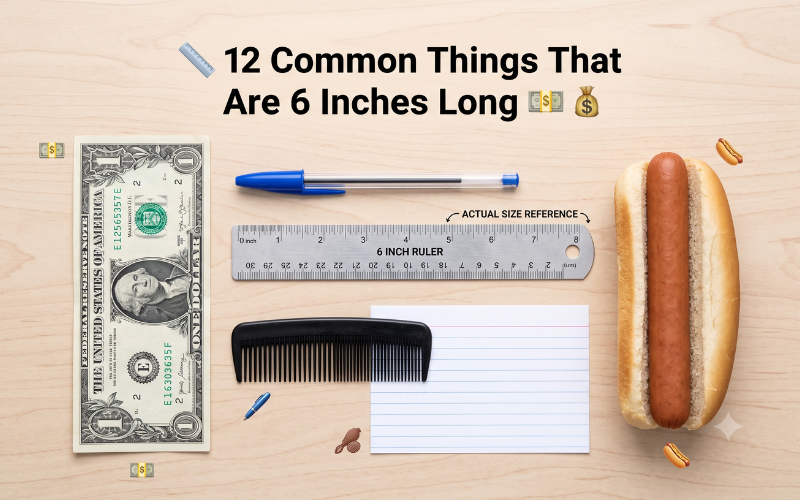
When you need to measure something quickly but cannot find a measuring tape, relying on everyday objects becomes incredibly useful. Six inches is exactly half a foot, or 15.24 centimeters. It is a highly practical length for estimation because human hands and common household items naturally fall into this size range. Instead of guessing, you can grab a dollar bill, a standard pen, or even a pocket comb to get a highly accurate idea of how long six inches truly is. Having a mental catalog of these items helps with DIY projects, cooking, crafting, and online shopping.
Use the interactive tool below to compare the sizes of some of the objects on this list against a standard 6-inch measurement:
BioWiki: 6-Inch Items Overview 📊
| Item | Exact Length | Metric Equivalent | Primary Use |
| US Dollar Bill | 6.14 inches | 15.6 cm | Currency / Transactions |
| Standard Ruler | 6.00 inches | 15.24 cm | Measurement |
| Pocket Comb | 6.00 inches | 15.24 cm | Hair Grooming |
| 4×6 Index Card | 6.00 inches (Long side) | 15.24 cm | Notes / Studying |
| Ballpoint Pen | ~5.8 to 6.0 inches | ~14.7 to 15.2 cm | Writing |
| Hot Dog (Standard) | 6.00 inches | 15.24 cm | Food / Dining |
| Subway Sub | 6.00 inches | 15.24 cm | Food / Dining |
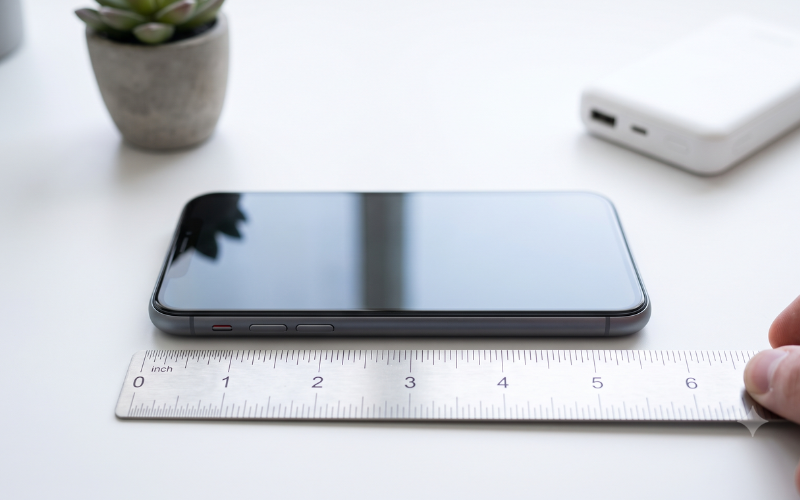
| Smartphone | ~6.00 inches (Height) | ~15.24 cm | Communication |
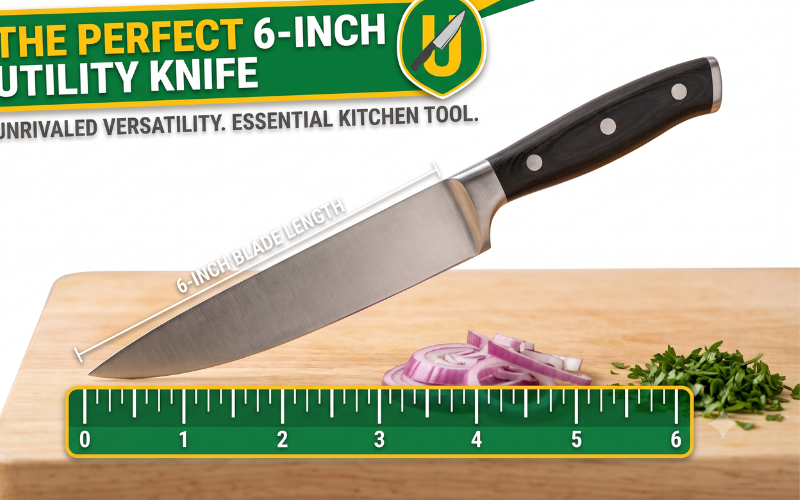
| Chef’s Utility Knife | 6.00 inches (Blade) | 15.24 cm | Cooking / Prep |
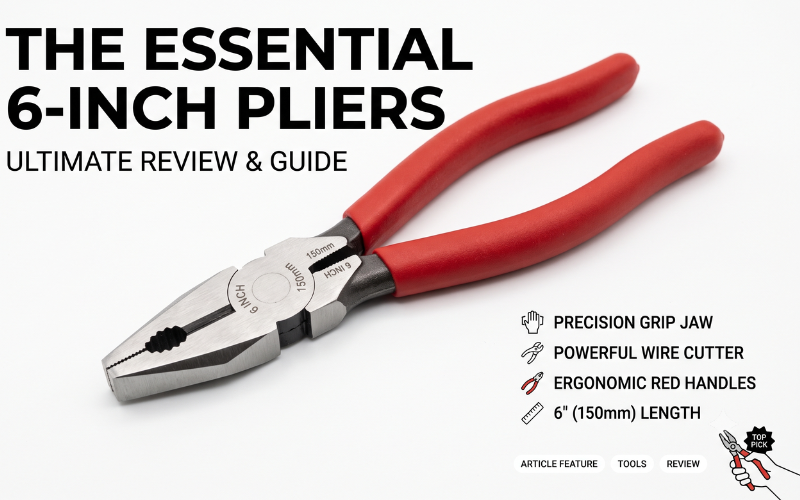
| Small Pliers | 6.00 inches | 15.24 cm | Hardware / DIY |
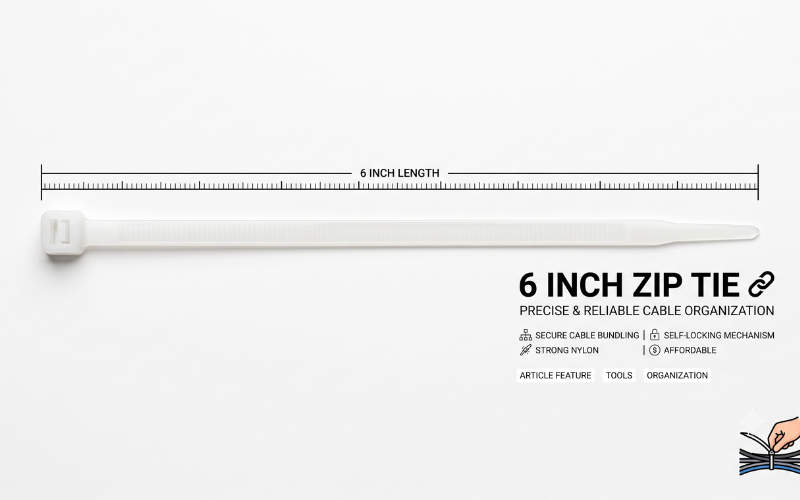
| Medium Zip Tie | 6.00 inches | 15.24 cm | Fastening |
| Used Pencil | ~6.00 inches | ~15.24 cm | Writing / Drawing |
1. The United States Dollar Bill 💵
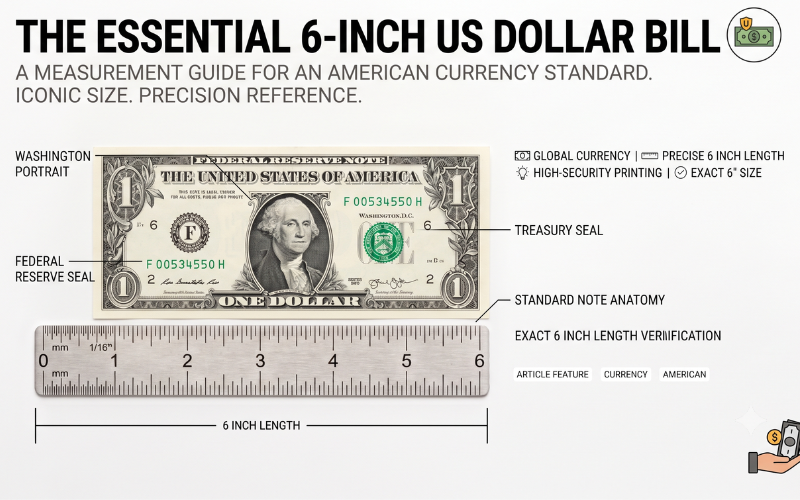
The United States paper currency is perhaps the most universally accessible measuring tool available to anyone living in or visiting the US. While a brand new, crisp bill measures exactly 6.14 inches in length, it is functionally accepted as a 6-inch reference guide for rough estimation.
A Standardized Measurement Tool
Since 1928, the Federal Reserve has maintained strict guidelines on the size of paper money. Before 1928, US banknotes were considerably larger, measuring about 7.42 inches by 3.12 inches. The government reduced the size to cut manufacturing costs, settling on the dimensions we use today: 6.14 inches long and 2.61 inches wide. This uniformity applies to all denominations, whether it is a one-dollar bill or a hundred-dollar bill.
How to Use a Dollar Bill for Estimation
If you are at a hardware store trying to determine the length of a screw, a piece of trim, or the width of a small box, you can place a dollar bill next to the object. If the item matches the length of the bill, you know it is just over six inches. Folding the bill completely in half gives you a three-inch measurement, and folding it into thirds gives you approximately two inches per section.
2. A Standard 6-Inch Ruler 📏
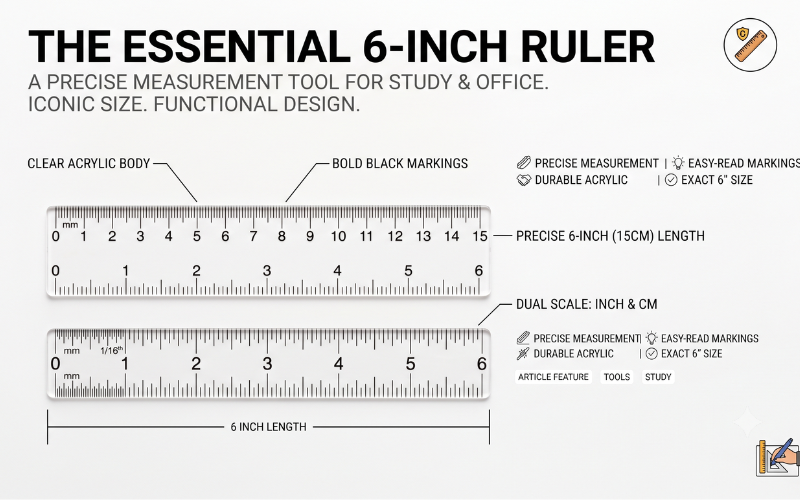
When we think of a half-foot measurement, the first object that usually comes to mind is the classic 6-inch ruler. While the 12-inch ruler is the staple of elementary school classrooms, the 6-inch variant is a popular everyday carry item for professionals.
Practical Applications in Daily Life
Six-inch rulers are specifically designed to fit into shirt pockets, small pencil cases, and everyday tool belts. Engineers, draftsmen, and architects frequently use small metal 6-inch rulers for precise, localized measurements where a full-sized ruler would be cumbersome. They often feature dual markings, with inches on one edge and up to 15 centimeters on the opposite edge, making conversions incredibly straightforward.
The Material and Manufacturing
These rulers are typically made from stainless steel, flexible plastic, or wood. Stainless steel versions often include a pocket clip, much like a pen, highlighting their intent for portability. Because the 6-inch length is exactly 15.24 centimeters, metric users often refer to this tool as a 15-centimeter ruler, rounding down slightly for convenience.
3. A Standard Pocket Comb 🪮
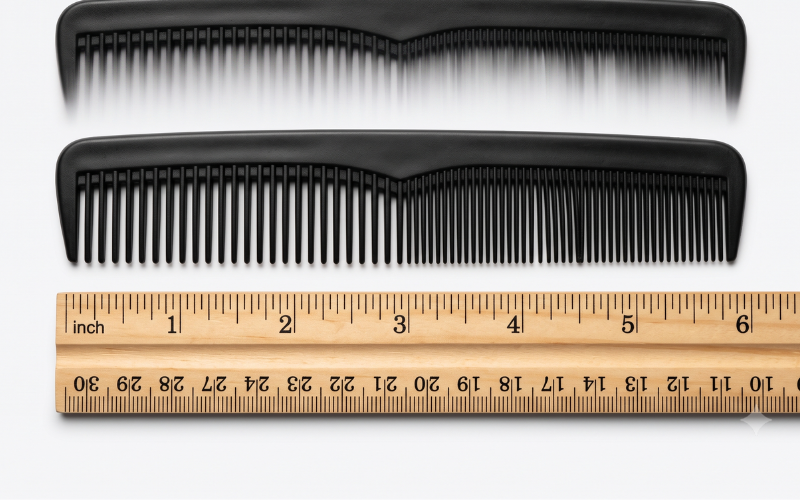
A grooming essential found in millions of bathrooms and back pockets worldwide, the standard pocket comb is intentionally manufactured to a specific size. The most common length for these combs is exactly six inches.
Design and Ergonomics
The 6-inch length is not arbitrary. This measurement provides enough surface area for an adult hand to grip the spine of the comb comfortably while leaving enough teeth exposed to effectively groom hair. If the comb were shorter, it would be difficult to hold; if it were longer, it would snap easily when sat upon and would not fit properly into standard trouser pockets.
Dual-Tooth Configuration
If you look closely at a traditional 6-inch pocket comb, you will notice it is usually divided into two sections. One half features widely spaced teeth for detangling thick hair, while the other half features fine, closely spaced teeth for styling and smoothing. This functional division fits perfectly within the 6-inch frame, allocating three inches to each styling necessity.
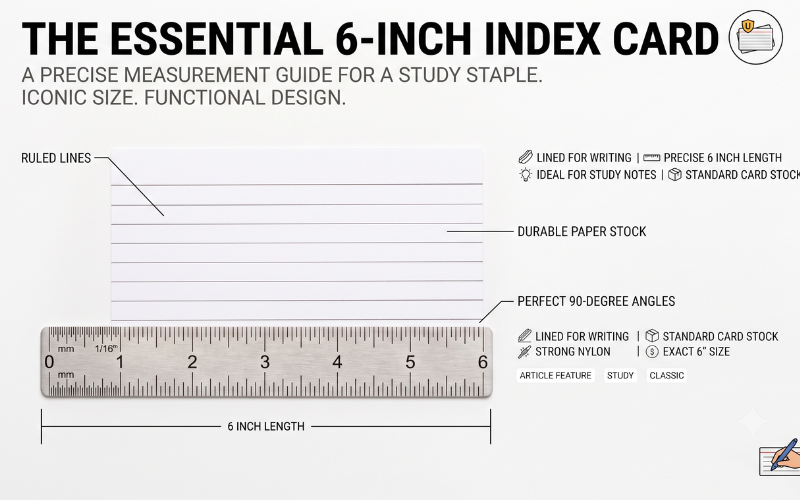
4. A 4×6 Index Card 📝
Whether you are preparing for a major exam, organizing a recipe box, or writing down presentation notes, the 4×6 index card is a stationary staple. As the name suggests, the longer edge of this card is exactly six inches.
A History of Information Storage
Before digital databases existed, libraries and businesses relied on physical card catalogs to organize information. The 4×6 inch format became a standard because it offered significantly more writing space than the smaller 3×5 inch cards, without becoming as unwieldy as a full sheet of paper.
Using Index Cards as Measurement Tools
Because paper products are precision-cut in massive industrial facilities, you can trust a 4×6 index card to be highly accurate. If you are doing craft work or simple home repairs, the long edge of this card provides a perfect 6-inch straightedge. Additionally, the corners are cut at exact 90-degree angles, allowing you to use the card as a makeshift framing square to check if corners are perfectly perpendicular.
5. A Standard Ballpoint Pen (With Cap) 🖊️
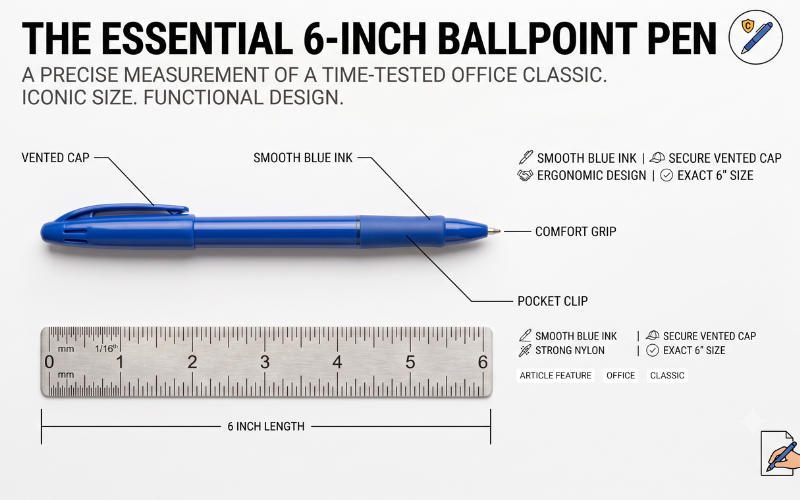
Take a look around your desk or kitchen counter. Chances are, you will spot a standard ballpoint pen. While pen designs vary wildly across brands, the classic stick pen—like a BIC Cristal—measures incredibly close to six inches when the cap is securely fastened.
The Ergonomics of Writing
Writing instruments have been honed over centuries to fit the human hand perfectly. A length of roughly 5.8 to 6 inches allows the pen to rest securely in the webbing between the thumb and index finger while extending just far enough past the grip to maintain balance. If a pen is too short, it forces a cramped grip; if it is too long, the center of gravity shifts, causing hand fatigue.
Measuring on the Fly
Because pens are ubiquitous, they make excellent impromptu measuring devices. If you need to estimate the width of a book, the diameter of a small plate, or the length of a rip in fabric, just lay your pen against the object. Knowing your pen is nearly six inches long saves you the trouble of hunting down a tape measure for simple tasks.
6. A Standard Hot Dog 🌭
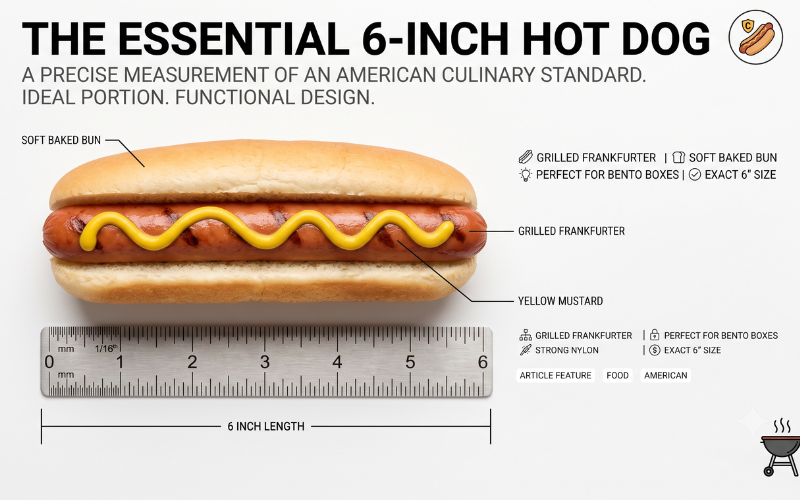
Moving away from office supplies and into the kitchen, the standard American hot dog is famously manufactured to a specific size. A classic frankfurter measures exactly six inches in length.
The Standardization of Meat Processing
The 6-inch hot dog became the industry standard in the mid-20th century as mass production and automated packaging took over the meat industry. Producing franks in consistent 6-inch lengths allowed for predictable packaging dimensions, typically resulting in the famous 10-dog pack. This consistency ensures that the hot dog fits perfectly into a standard hot dog bun, which is also baked to accommodate a 6-inch sausage.
The “Footlong” Phenomenon
Hot dogs are typically sold in two distinct sizes: the standard 6-inch and the jumbo 12-inch, commonly known as the footlong. Stadiums, carnivals, and amusement parks often sell footlongs as a novelty, but the 6-inch variety remains the undisputed champion of backyard barbecues and grocery store shelves.
7. A Subway Half-Footlong Sandwich 🥪
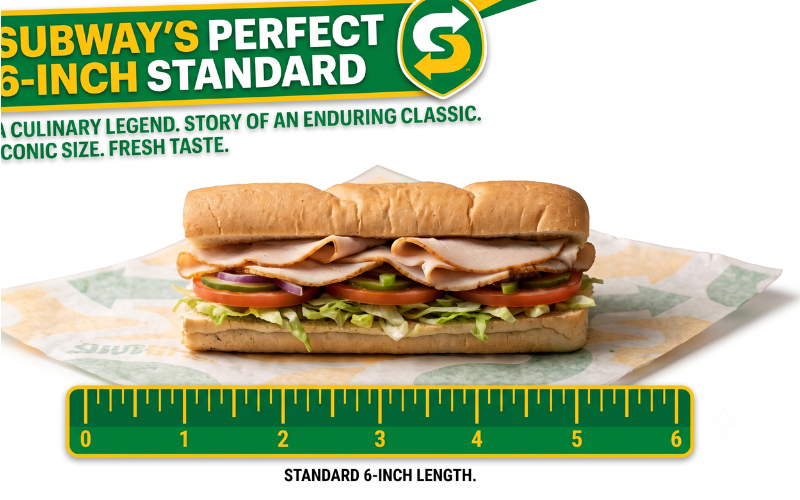
Sticking with the theme of food, one of the most widely recognized six-inch items in the world is the Subway 6-inch sandwich. Fast-food restaurants rely heavily on portion control, and Subway built its entire brand around measuring their bread.
The Mechanics of Sandwich Sizing
Subway bakes its bread in specific molds designed to create 12-inch loaves. When a customer orders a smaller portion, the “footlong” is sliced perfectly down the middle, yielding a 6-inch sandwich. This measurement dictates everything about the sandwich, from the number of cheese slices applied to the amount of deli meat layered on top.
Quality Control and Measurement
In the past, Subway faced legal scrutiny when customers claimed their footlong sandwiches were only 11 inches. The company subsequently tightened quality control, ensuring that their baking processes consistently yield a full 12-inch loaf, meaning your half-footlong order is an authentic, reliable six inches of food.
8. The Average Smartphone 📱
If you are reading this article on a mobile device, there is a very high probability that you are holding a 6-inch object in your hand right now. While screen sizes are measured diagonally, the actual physical height of modern smartphones generally hovers right around the 6-inch mark.
The Evolution of Screen Sizes
Ten years ago, smartphones were much smaller. However, as consumers began using their phones for media consumption, gaming, and productivity, manufacturers continually pushed the boundaries of pocketability. The industry eventually settled on a height of about 5.8 to 6.3 inches as the “sweet spot.”
Everyday Examples
For context, an iPhone 13 or iPhone 14 has a physical height of about 5.78 inches, which is incredibly close to six inches. Larger models stretch slightly past six inches (around 6.3 inches). When measuring something quickly, you can place your smartphone next to the object, knowing the device in your hand is an excellent physical reference for a half-foot.
9. A Chef’s Utility Knife 🔪
In the culinary world, knives are categorized strictly by the length of their blade. While the massive 8-inch or 10-inch chef’s knife does the heavy lifting for chopping large vegetables and slicing meat, the 6-inch utility knife serves as the versatile middle ground.
Functionality in the Kitchen
A 6-inch utility knife is longer than a paring knife but shorter than a standard chef’s knife. This 6-inch blade is perfect for slicing tomatoes, trimming chicken breasts, and cutting smaller fruits like apples and oranges. The length provides enough leverage to cut completely through mid-sized foods while remaining highly maneuverable.
The Anatomy of the Measurement
When a knife is advertised as “6 inches,” this measurement refers strictly to the blade itself, from the heel (the base nearest the handle) to the tip. The handle adds an additional four to five inches to the overall length of the tool, but the functional cutting edge is exactly six inches long.
10. Small Hand Pliers 🛠️
A toolbox staple, small hand pliers—such as needle-nose pliers or standard slip-joint pliers—are most commonly manufactured with an overall length of six inches.
Leverage and Grip
Tool manufacturers produce 6-inch pliers because the size offers the perfect balance of leverage and control for fine detail work. When the tool is six inches long, the handles fit entirely within the palm of the average adult hand, allowing the user to apply significant squeezing pressure without the metal digging into their wrist.
Common Uses
You will find 6-inch pliers used extensively in electrical work, jewelry making, and computer repair. They are small enough to reach into cramped engine compartments or tight junction boxes, yet sturdy enough to bend wire and extract stubborn nails. If you have a basic home toolkit, open it up; the pliers sitting inside are almost certainly six inches from the tip of the jaws to the bottom of the handle.
11. A Medium Zip Tie 🔗
Zip ties, also known as cable ties, are ubiquitous fasteners used in everything from organizing computer cables to securing hubcaps. They come in lengths ranging from a tiny four inches to massive 36-inch industrial straps, but the medium 6-inch zip tie is arguably the most common variant sold in hardware stores.
Tensile Strength and Utility
A 6-inch zip tie typically offers a loop diameter of about 1.5 inches once fastened, making it perfect for bundling a handful of electrical wires or securing a loose pipe. Because they are so cheap and highly standardized, many people keep bags of 6-inch zip ties in their garage. If you lay one flat before fastening it, you have a perfect, flexible 6-inch measuring stick that can even wrap around curved surfaces to measure circumference.
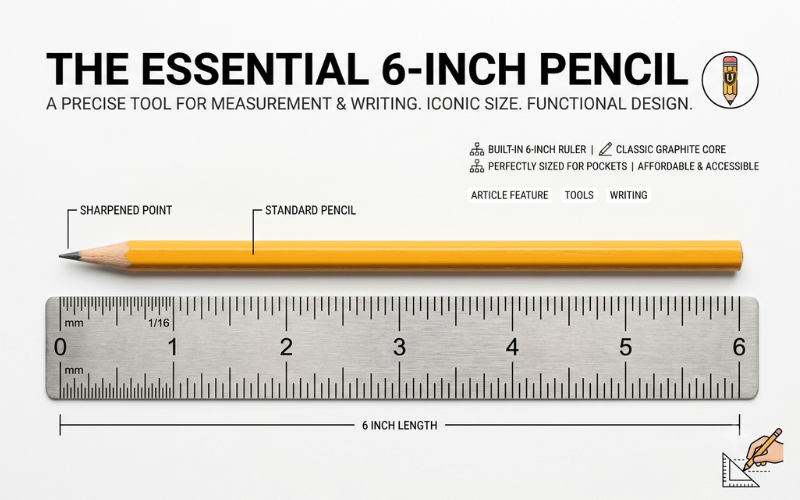
12. A Used Wooden Pencil ✏️
A brand new, unsharpened wooden pencil measures approximately 7.5 inches long. However, once a pencil goes through a few rounds of sharpening and normal use, it quickly reduces to a very stable 6-inch length.
The “Perfect” Writing Length
Interestingly, many writers and artists find a brand new pencil slightly top-heavy. The pencil hits its prime ergonomic balance when it is ground down to about six inches. This length allows the eraser to sit naturally just past the knuckle of the index finger without swaying uncomfortably during rapid writing or sketching.
Small Golf Pencils
If you are wondering about the tiny pencils provided at mini-golf courses or voting booths, those are strictly manufactured to be exactly half the size of a standard pencil. Golf pencils measure 3.5 inches, meaning two golf pencils placed end-to-end give you slightly more than six inches of length.
Frequently Asked Questions (FAQs) ❓
How many centimeters are exactly in 6 inches?
Six inches is exactly equal to 15.24 centimeters. In the metric system, an inch is defined precisely as 2.54 centimeters. To find the metric equivalent of any measurement in inches, you simply multiply the number of inches by 2.54.
How can I reliably measure 6 inches without a ruler or measuring tape?
The most reliable way to measure six inches without a dedicated tool is to use US paper currency. Any US bill is 6.14 inches long, which is close enough for almost all casual estimation needs. Alternatively, the long side of a standard 4×6 index card is exactly six inches.
Is an adult hand 6 inches long?
Hand sizes vary significantly among individuals, but an average adult female hand is roughly 6.8 inches from the base of the palm to the tip of the middle finger, while an average adult male hand is about 7.6 inches long. Therefore, a hand is usually slightly longer than six inches. However, the width of two hands placed side by side is roughly six to seven inches for many people.
Why is the 6-inch measurement so common in product manufacturing?
Six inches represents exactly half of a foot, making it a highly intuitive fraction of the standard imperial measurement system. Additionally, six inches corresponds well with the ergonomics of the human hand, making it the ideal size for portable tools, writing instruments, and grooming accessories.
Related Posts
- 12 Common Things That Are 5 Inches Long
- 10 Common Things That Are 4 Inches Long
- 10 Common Things That Are 3 Inches Long
- 11 Common Things That Are 2 Inches Long
Conclusion 🎯
Understanding the physical dimensions of the everyday items around you is a remarkably practical skill that can save you time and frustration. Whether you are estimating the size of a package, checking dimensions for a quick home repair, or trying to visualize a product online before clicking buy, having a built-in mental ruler makes life significantly easier 🧠. By keeping in mind that a standard dollar bill, a basic pocket comb, or even your favorite ballpoint pen all hover right around that half-foot mark, you will always be prepared to measure the world around you without ever needing to track down a tape measure 📏.
FOR MORE MEASUREMENTS VISIT: MEASURINGSPOT