
Whether you are trying to pack a moving van, planning out a new piece of furniture for your living room, or simply trying to gauge a measurement without a tape measure handy, having a mental reference for different lengths is an incredibly useful skill. Measuring exactly 31 inches (which translates to 2 feet 7 inches, or roughly 78.7 centimeters) might seem like an oddly specific dimension. However, once you start looking around your home and neighborhood, you will find that this measurement is surprisingly common.
From sports equipment to standard home fixtures, manufacturers and designers rely on this specific length to accommodate human proportions, strict shipping limits, and established industry standards. Knowing what everyday items match this length can help you quickly estimate space and size in a pinch.
Quick Glance at 31-Inch Objects ⚡
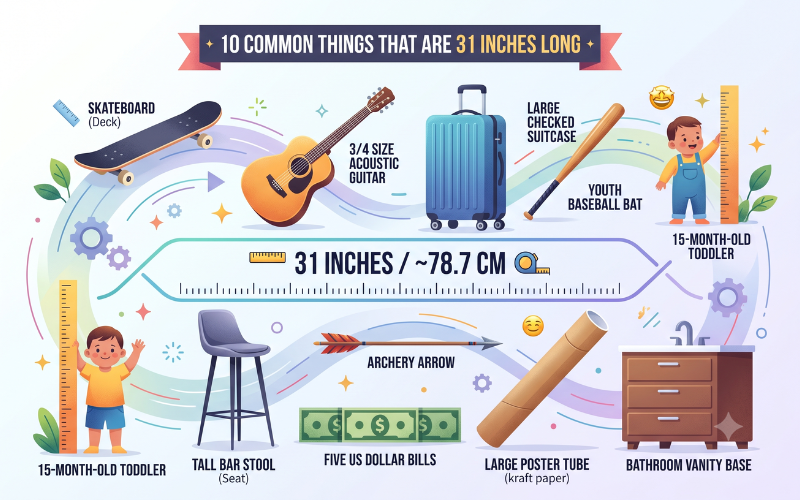
If you are just looking for a rapid list of items you can use as a mental reference point for 31 inches, here are the most common examples you will encounter:
- A standard modern skateboard deck (from nose to tail).
- A 3/4 size acoustic guitar, commonly used by children or traveling musicians.
- A large checked suitcase, often maxing out airline dimension restrictions.
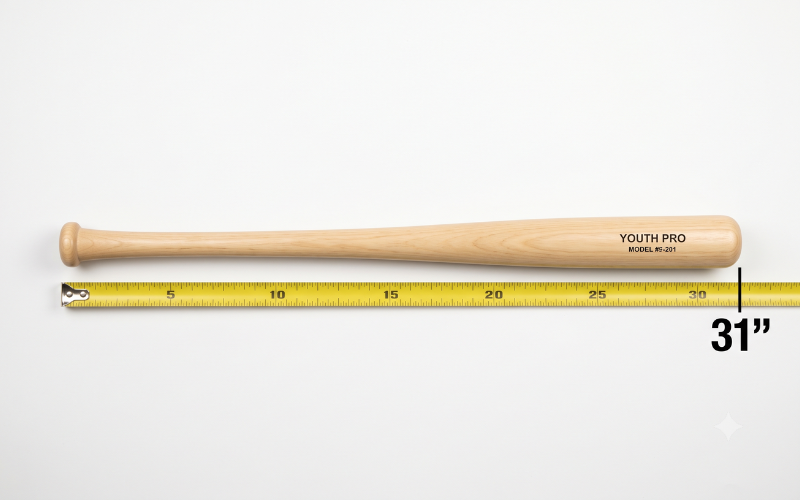
- A standard youth baseball bat, typically used by 11 to 12-year-old players.
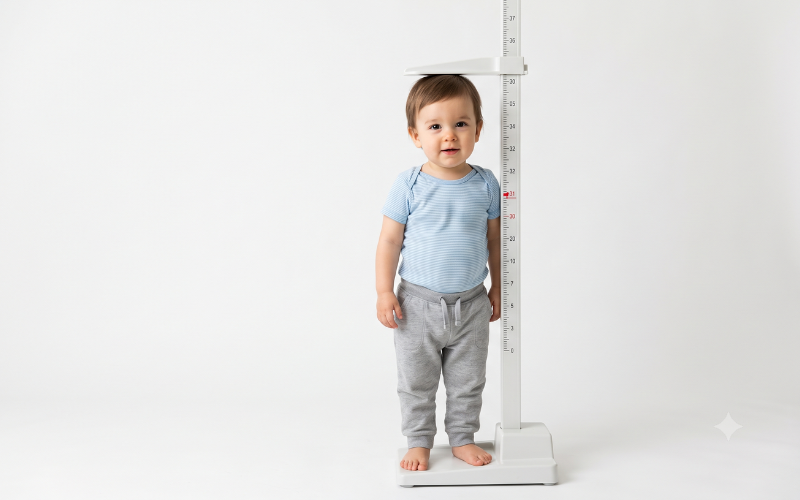
- The average height of a 15-month-old toddler.
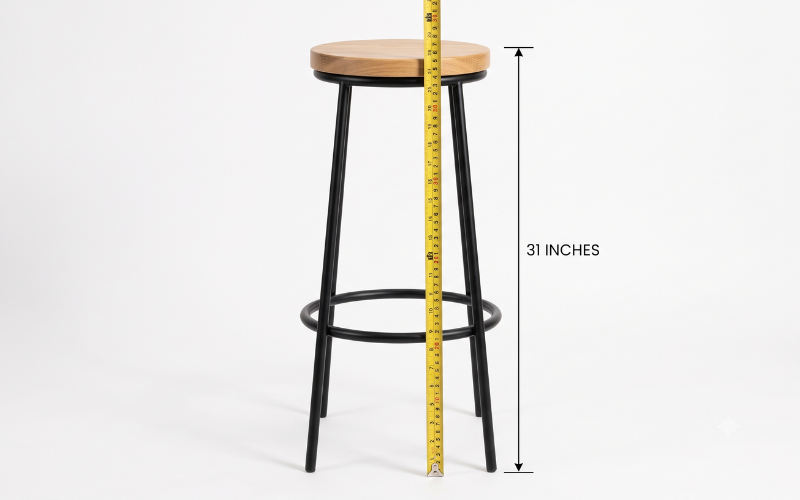
- A tall bar stool, designed for standard home or commercial bar counters.
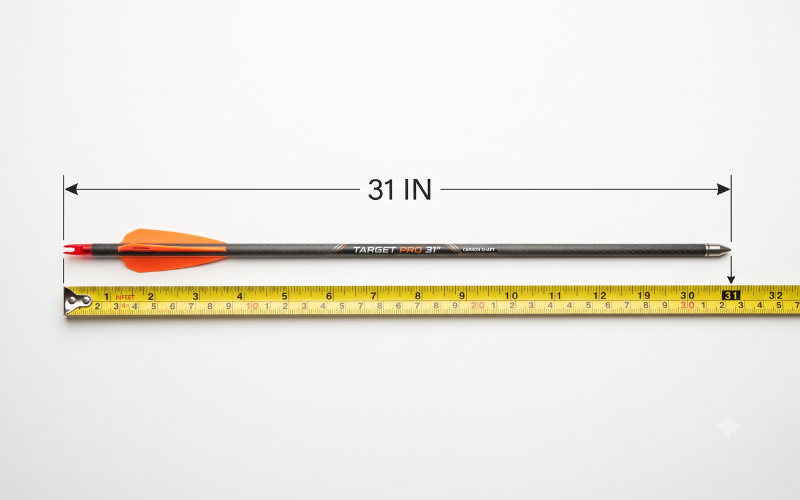
- A standard target archery arrow, measured from the nock to the insert.
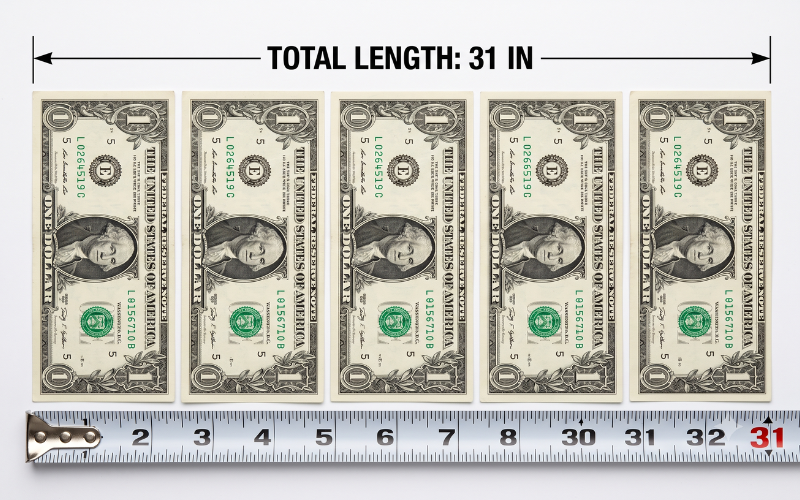
- Five US dollar bills laid end-to-end, creating a highly accurate makeshift measuring tape.
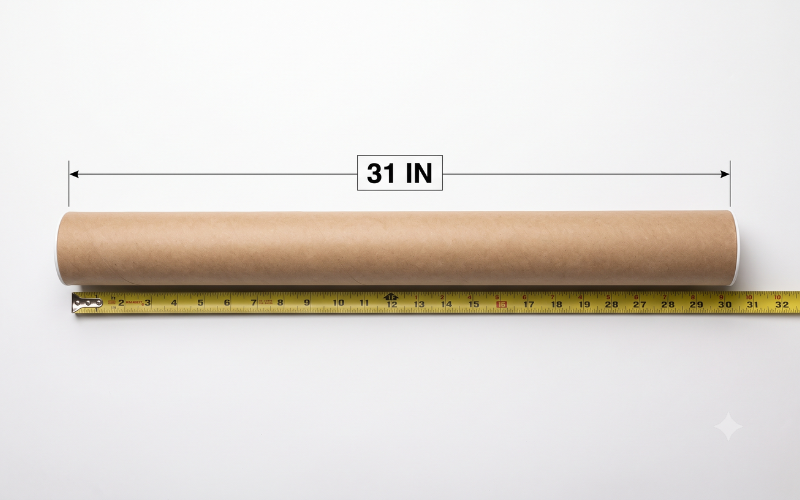
- A large poster mailing tube, built to protect architectural blueprints or art prints.
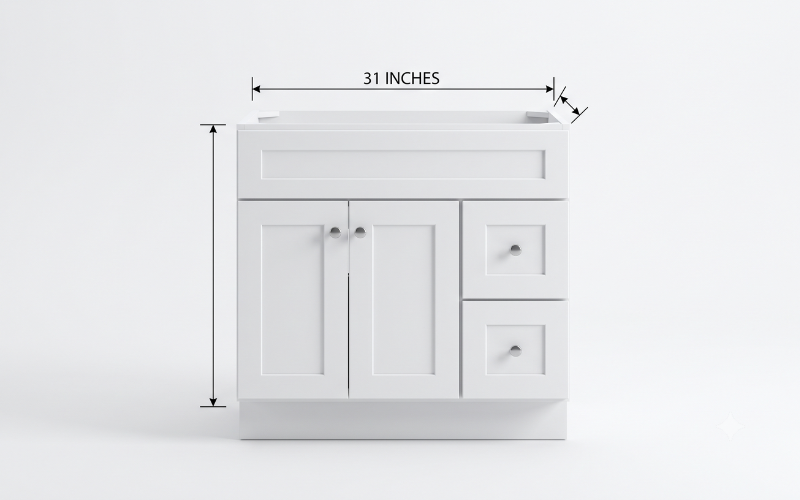
- A standard bathroom vanity cabinet base, measured from the floor to the top of the cabinet box.
BioWiki Table: 31-Inch Items 📊
| Item | Primary Material | Exact Measurement Context | Common Use / Purpose |
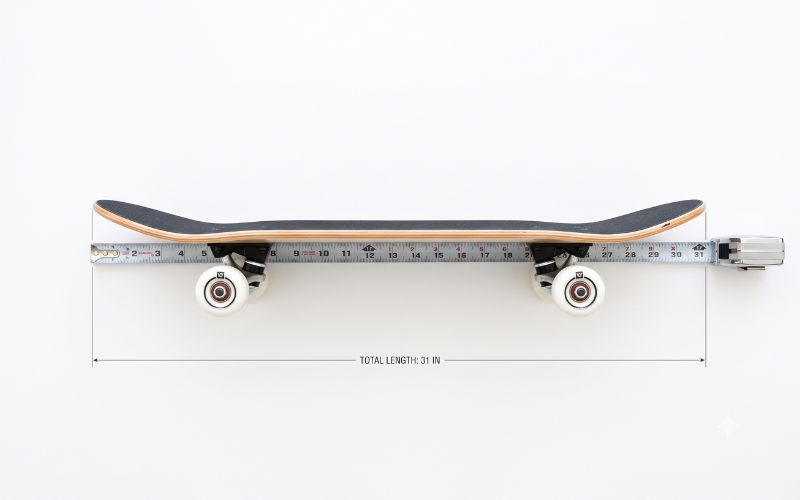
| Standard Skateboard | 7-ply Maple Wood | 31″ to 32″ from nose to tail | Street skating and skatepark tricks |
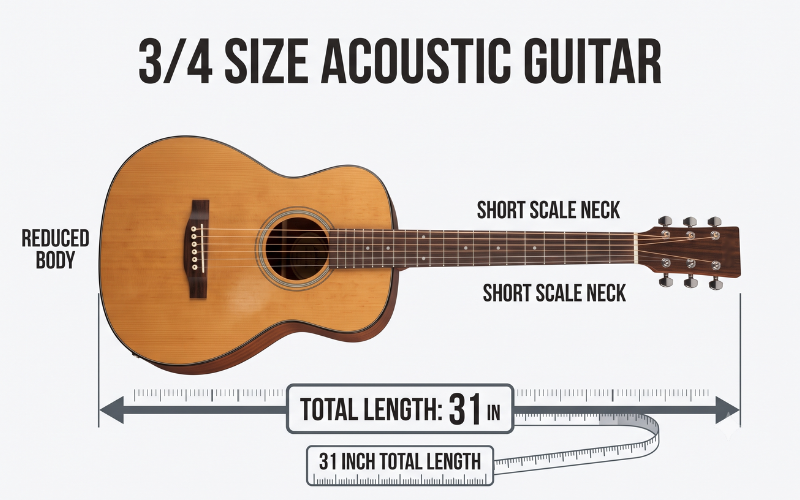
| 3/4 Acoustic Guitar | Spruce / Mahogany | 31″ total length | Travel, children’s lessons |
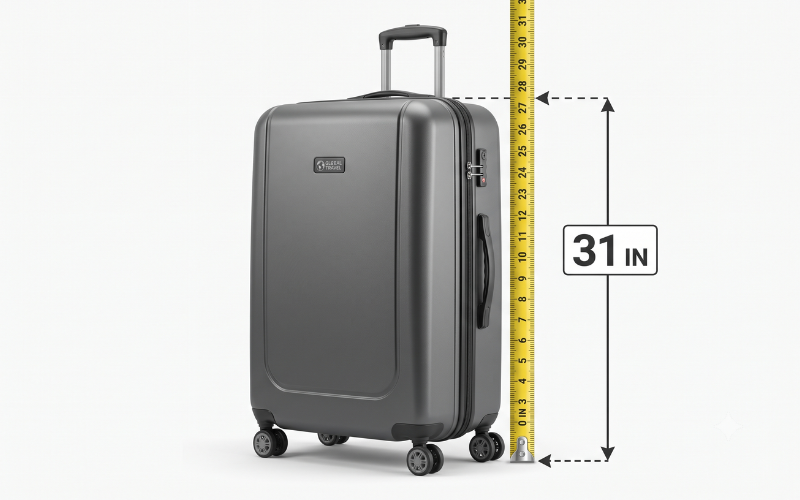
| Large Checked Suitcase | Polycarbonate / Nylon | 31″ vertically (including wheels) | Extended vacations, international travel |
| Youth Baseball Bat | Aluminum / Composite | 31″ from knob to end cap | Little League (ages 11-12) |
| 15-Month-Old Toddler | N/A | ~31″ from crown to heel | Human growth metric (average) |
| Tall Bar Stool | Wood / Metal | 31″ from floor to seat | Seating for 41″-43″ high counters |
| Archery Arrow | Carbon Fiber / Aluminum | 31″ shaft length | Target practice and hunting |
| 5 US Dollar Bills | Cotton-Linen Blend | 30.7″ laid end-to-end (6.14″ each) | Standard currency / emergency ruler |
| Large Poster Tube | Heavy-duty Kraft Paper | 31″ end-to-end | Shipping 24″x36″ or 30″x42″ prints |
| Bathroom Vanity Base | Plywood / MDF | 31″ height without the countertop | Residential bathroom cabinetry |
1. A Standard Modern Skateboard 🛹
The Dimensions
If you grab a standard street skateboard off the rack at any local skate shop, you will find that the vast majority of decks measure right around 31 to 32 inches in length. This measurement is taken straight down the middle of the board, from the very tip of the curved front (the nose) to the very edge of the curved back (the tail). While the width of a skateboard changes frequently based on a skater’s shoe size and preference (usually ranging from 7.5 to 8.5 inches), the length remains remarkably consistent at that 31-inch mark.
Everyday Context
This specific length is no accident. During the 1980s, skateboards were much wider and often slightly shorter or bulkier, designed primarily for riding ramps and pools. As street skating evolved in the 1990s, skaters needed a board that was symmetrical, lighter, and properly proportioned to allow them to flip the board using their feet. A 31-inch deck provides the perfect wheelbase (the distance between the two trucks) for the average teenager or adult to maintain balance while still allowing the board to easily pop off the ground.
2. A 3/4 Size Acoustic Guitar 🎸
The Dimensions
A standard, full-size acoustic guitar usually measures somewhere between 38 and 41 inches in total length. However, a 3/4 size acoustic guitar drops that total length down to exactly 30 to 31 inches, depending on the manufacturer. This measurement spans from the bottom curve of the guitar’s body all the way up to the top edge of the headstock where the tuning pegs are located.
Everyday Context
The 3/4 size acoustic is highly popular for two distinct reasons. First, it is the standard recommendation for children ages 8 to 11 who are just starting to take guitar lessons. A full-size guitar is too bulky for smaller arms to reach over, and the fretboard is too long for small fingers to navigate comfortably. Second, these 31-inch instruments are incredibly popular as “travel guitars” for adults. Because they are 31 inches long, they can easily fit into the overhead compartments of most commercial airplanes, making them a favorite for touring musicians who want an instrument to practice on in their hotel rooms.
3. A Large Checked Suitcase 🧳
The Dimensions
When you are shopping for luggage, suitcases generally fall into three categories: carry-on, medium checked, and large checked. A standard large checked spinner suitcase typically measures 31 inches in height. It is important to note that when airlines and manufacturers measure this height, they include the wheels and the top handle in their resting position.
Everyday Context
The 31-inch height is dictated almost entirely by airline regulations. Most major commercial airlines have a strict size limit for checked baggage, usually capped at 62 linear inches. Linear inches are calculated by adding the height, width, and depth of the bag together. A common configuration for a maximum-size bag is 31 inches tall, 21 inches wide, and 10 inches deep (31 + 21 + 10 = 62). By maxing out the height at 31 inches, luggage brands give travelers the maximum possible packing volume for a two-week vacation without triggering hefty oversized baggage fees at the airport check-in counter.
4. A Standard Youth Baseball Bat ⚾
The Dimensions
Baseball bats come in a wide variety of sizes, but 31 inches is a significant benchmark in the sport. Measured from the flat bottom of the knob to the rounded end cap of the barrel, a 31-inch bat is a staple in youth leagues.
Everyday Context
In baseball, the length of the bat must correspond with the player’s height, weight, and arm span to ensure proper swing mechanics. A 31-inch bat is typically recommended for players who weigh between 80 and 100 pounds and stand roughly 4 feet 9 inches to 5 feet tall. This demographic almost perfectly aligns with 11 and 12-year-old players competing in the major divisions of Little League. Furthermore, these 31-inch bats usually feature a “-10 drop” (meaning a 31-inch bat weighs 21 ounces), providing the ideal balance of swing speed and barrel control for pre-teen athletes before they transition to the heavier, longer bats required in high school.
5. A 15-Month-Old Toddler 👶
The Dimensions
Human growth is naturally variable, but pediatricians rely on standardized growth charts maintained by organizations like the World Health Organization (WHO) and the Centers for Disease Control and Prevention (CDC). According to these global standards, the 50th percentile for length (height) for a 15-month-old male toddler is almost exactly 31 inches (79 centimeters).
Everyday Context
At 31 inches long, a toddler is usually transitioning through several major developmental milestones. This is the height at which many children are solidifying their walking skills and beginning to reach for items on low coffee tables or the bottom cushions of couches. Because so many toddlers hit this specific height around their first birthday and the months immediately following, clothing manufacturers design the standard “12-18 Months” clothing sizes to specifically accommodate a 31-inch frame.
6. A Tall Bar Stool 🪑
The Dimensions
When outfitting a kitchen island or a basement bar, seating height is critical for comfort. A standard “bar height” stool measures exactly 30 to 31 inches from the floor to the top of the seating surface. This does not include the height of the backrest, if the stool has one.
Everyday Context
Furniture design relies heavily on standardized ergonomic math. A typical commercial bar or a high residential home bar counter is built to be 41 to 43 inches off the ground. Ergonomic standards dictate that there should be roughly 10 to 12 inches of clearance between the top of the stool’s seat and the underside of the counter to allow plenty of room for a person’s legs and knees. Therefore, a 31-inch stool perfectly pairs with a 42-inch counter. Choosing a 31-inch stool ensures you will not be sitting too low (which forces you to reach awkwardly for your drink) or too high (which traps your thighs against the underside of the bar).
7. A Standard Archery Arrow 🏹
The Dimensions
Walk into any sporting goods store or archery pro shop, and you will find that full-length, uncut carbon fiber or aluminum arrows are typically manufactured at a standard length of 31 to 32 inches. This measurement strictly covers the shaft of the arrow, running from the throat of the nock (where the string rests) down to the end of the shaft insert, not including the metal broadhead or field point.
Everyday Context
Arrow length is heavily dependent on a shooter’s “draw length,” which correlates to their wingspan. An archer with a 6-foot tall frame generally has a draw length of about 29 inches. For safety reasons, an arrow must be at least one to two inches longer than the archer’s draw length so that it does not fall off the arrow rest when fully drawn back. Therefore, manufacturers produce standard arrows at 31 inches to safely accommodate the vast majority of adult shooters right out of the box. Shooters with shorter arms will simply have the archery shop cut the 31-inch carbon shaft down to their specific size.
8. Five US Dollar Bills Laid End-to-End 💵
The Dimensions
If you ever find yourself needing to measure something that is roughly two and a half feet long and you do not have a tape measure, your wallet holds the solution. A single standard United States paper banknote (whether it is a $1, $5, $10, or $100 bill) measures precisely 6.14 inches wide.
Everyday Context
By taking five American bills of any denomination and laying them completely flat, end-to-end with the edges just barely touching, you create a line that is exactly 30.7 inches long. For almost any casual, everyday measuring task, 30.7 inches is functionally identical to 31 inches. Because the Bureau of Engraving and Printing has maintained this exact currency size since 1929, you can rely on this makeshift measuring tool anywhere in the world. The bills are printed on a durable cotton-linen blend, meaning they resist stretching over time, ensuring your 31-inch estimation remains highly accurate.
9. A Large Poster Mailing Tube ✉️
The Dimensions
Cardboard mailing tubes are manufactured in specific increments to accommodate standard paper sizes. A heavy-duty kraft paper mailing tube designed for large artwork or architectural blueprints commonly measures 31 inches in total length, with an interior usable space of about 30.5 inches once the plastic end caps are pushed into place.
Everyday Context
The 31-inch length is specifically chosen by packaging companies to protect some of the most common large-format paper sizes in the world. For instance, a standard movie poster or large art print measures 24 inches by 36 inches. When rolled up along its 24-inch side, it easily drops into a 25-inch tube. However, architectural D-size blueprints and engineering plans measure 24 inches by 36 inches, and sometimes E-size plans are 30 inches by 42 inches. A 31-inch tube securely holds a 30-inch rolled document, giving just enough buffer room on the top and bottom so the edges of the paper do not get crumpled during the rough handling of postal transit.
10. A Bathroom Vanity Cabinet Base 🚰
The Dimensions
If you remove the marble or laminate countertop and the sink from a traditional bathroom vanity, the wooden cabinet base that remains is standardly built to a height of 31 inches.
Everyday Context
For decades, standard bathroom cabinetry was universally installed at a height of 31 to 32 inches (inclusive of the countertop). This was intentionally lower than the standard 36-inch kitchen counter height. The rationale was that bathrooms are shared family spaces, and a 31-inch vanity height made it much easier for young children to reach the faucet to brush their teeth and wash their hands without needing a tall step stool. While modern master bathrooms often feature 36-inch “comfort height” vanities for adults, the 31-inch vanity remains the absolute standard for children’s bathrooms, guest bathrooms, and older homes built before the 1990s.
How to Estimate 31 Inches Without a Tape Measure 📐
We already covered the trick of using five US dollar bills to find this length, but what if you don’t have cash on hand? There are several other clever ways to estimate a 31-inch span using nothing but your own body and common environments.
- The Arm Step: For an adult male of average height (around 5 foot 9 inches), 31 inches is roughly the distance from the center of the chest to the tips of the fingers when the arm is extended straight out to the side.
- The Floor Tile Trick: Standard large square floor tiles found in many modern kitchens and commercial buildings are exactly 12 inches by 12 inches. If you count out two and a half of these tiles in a straight line, you have mapped out 30 inches, putting you right at the edge of the 31-inch mark.
- Standard Interior Doors: While standard interior doors are typically 80 inches tall, their widths vary. A very common interior bedroom door width in older residential homes is 30 to 32 inches. Looking at the width of your bedroom door will give you a near-perfect visual representation of a 31-inch gap.
Why 31 Inches Matters in Design and Ergonomics 🪑
You might wonder why we don’t just round up to a clean 36 inches (one yard) or drop down to 24 inches (two feet) for most of these items. The prevalence of 31-inch objects comes down to the science of ergonomics—the study of people’s efficiency and comfort in their working environments.
Human proportions dictate our physical world. The distance from the floor to the hip joint of an average adult dictates counter and stool heights. The average arm length of a child dictates the size of youth sports equipment and musical instruments. Designers and engineers do not pick numbers out of thin air; they average out human body metrics to find the “sweet spot” that serves the most significant percentage of the population. Thirty-one inches happens to be a critical junction point where human leg length, arm reach, and carrying capacity all intersect, resulting in a world subtly tailored to this exact dimension.
Frequently Asked Questions (FAQs) ❓
Is 31 inches considered a large size for checked luggage?
Yes, a 31-inch tall suitcase is generally the absolute largest bag you can check on a commercial airline without incurring oversized baggage fees. When you factor in the width and depth, it almost perfectly hits the standard 62-linear-inch limit enforced by most major carriers.
How do I convert 31 inches to other measurement systems?
Thirty-one inches is exactly 2.58 feet. In the metric system, 31 inches converts to 78.74 centimeters, or 0.787 meters.
Why do youth baseball players use a 31-inch bat?
A 31-inch bat provides the perfect rotational physics for a player who is around 5 feet tall and weighs 90 pounds. A shorter bat would limit their plate coverage (their ability to reach outside pitches), while a longer bat would be too difficult to swing quickly, reducing their ability to hit fastballs.
How tall is a standard desk compared to 31 inches?
A standard office desk is usually 29 to 30 inches tall. Therefore, a 31-inch object would be just slightly taller than the surface of your standard workspace. If you tried to push a 31-inch bar stool under a standard office desk, it would not fit, as the seat would be taller than the desk surface itself.
Related Posts
- 10 Common Things That Are 20 Inches Long
- 12 Common Things That Are 19 Inches Long
- 12 Common Things That Are 18 Inches Long
- 10 Common Things That Are 17 Inches Long
Conclusion 🏁
Understanding the prevalence of 31-inch objects around us highlights how deeply our physical world is tailored to human ergonomics and practical standards. Whether you are measuring out space for a new bathroom vanity, checking luggage for an upcoming flight, or picking out the right sports equipment for a growing child, having a mental grasp of this specific dimension can save you time and frustration. The next time you need to estimate a couple of feet and some change without a tape measure, just remember that a skateboard, a tall bar stool, or even a quick line of dollar bills can serve as your trusty guide. 📏✨
FOR MORE MEASUREMENTS VISIT: MEASURINGSPOT