
Have you ever needed to measure something but couldn’t find a tape measure anywhere? We have all been in that frustrating situation. Whether you are trying to figure out if a new piece of furniture will fit in your living room or you simply need a rough estimate of a package size for shipping, having a mental ruler is an incredibly useful skill.
Measuring exactly 16 inches (which is precisely 40.64 centimeters or 1 foot and 4 inches) might seem like a highly specific length. However, it is a remarkably common dimension in the manufacturing, construction, and retail worlds. By memorizing a few everyday items that share this exact length, you will always have a reliable reference point right in front of you.
This guide breaks down twelve common, everyday items that measure exactly or approximately 16 inches long, helping you train your brain to estimate distances with ease.
Quick Overview: What Is 16 Inches Long? ⏱️
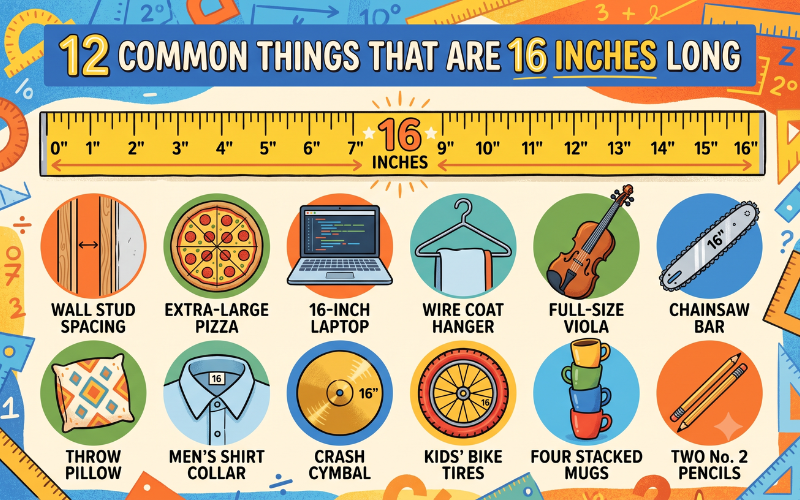
If you are in a rush and just need a fast reference list, here are twelve everyday items that measure 16 inches:
- Standard wall stud spacing in residential homes
- The diameter of an extra-large pizza
- The diagonal screen size of a premium laptop
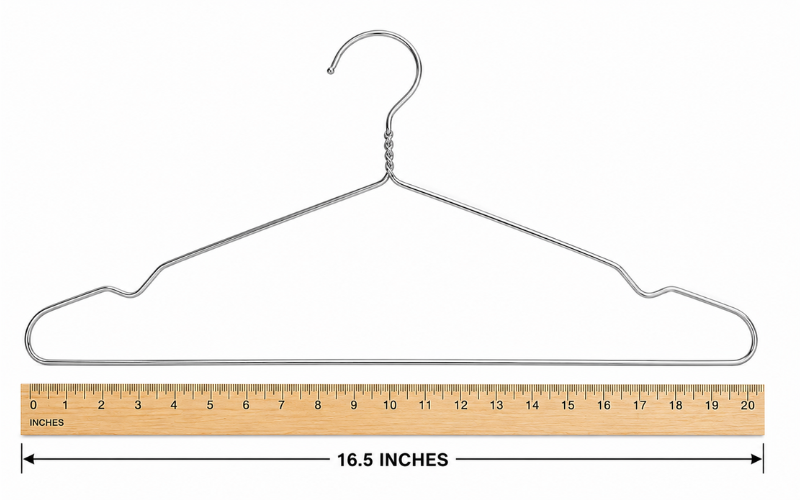
- A standard wire clothes hanger
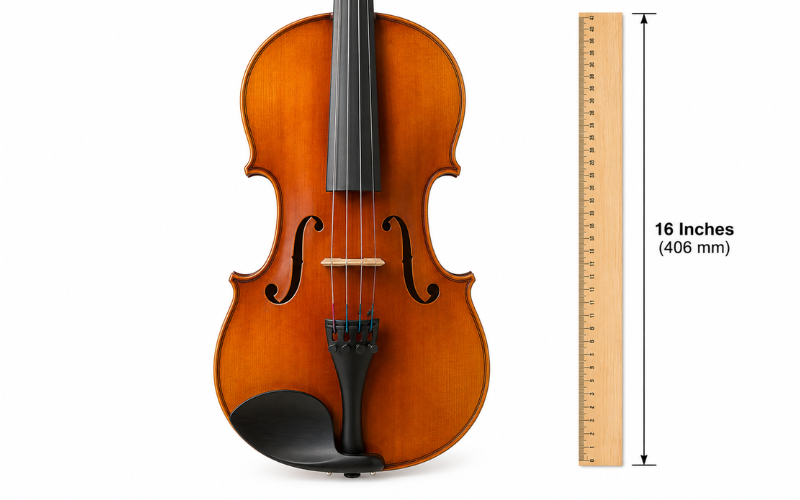
- The body length of a full-size viola
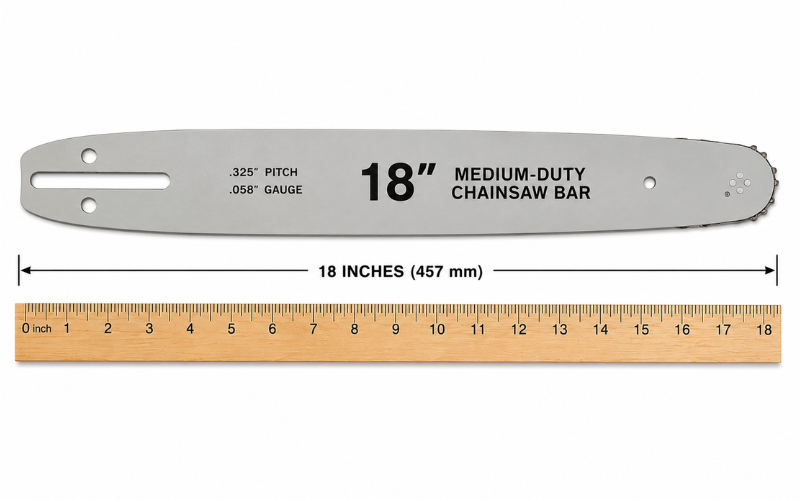
- A medium-duty chainsaw bar
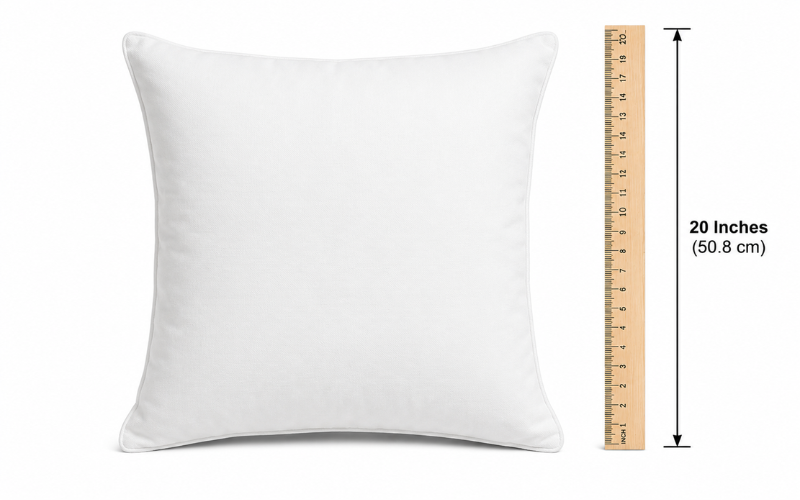
- A standard square throw pillow
- A men’s medium-to-large dress shirt collar
- A standard drum crash cymbal
- The wheels on a young child’s bicycle
- Four standard coffee mugs stacked on top of one another
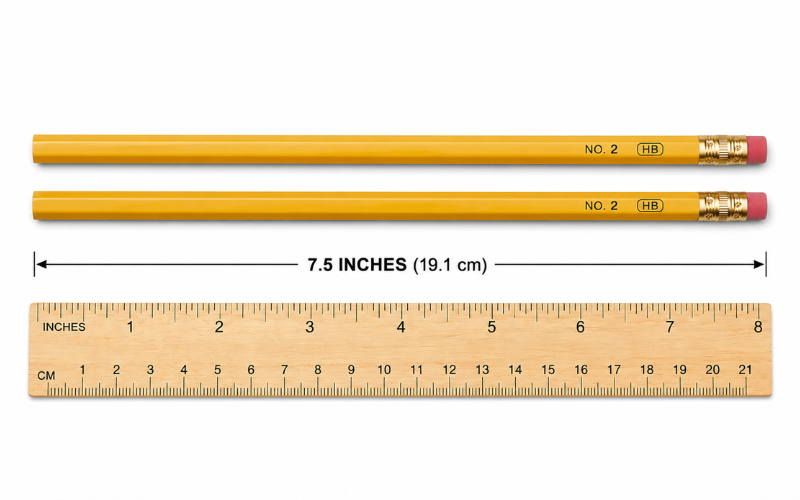
- Two brand-new, unsharpened No. 2 pencils placed end-to-end
BioWiki Table: 16-Inch Items Summary 📋
Here is a quick reference table categorizing these items, their typical environments, and whether their measurement is exact or a close approximation.
| Item | Category | Exact or Approximate? | Where You Find It |
| Wall Stud Spacing | Construction | Exact (Center-to-Center) | Inside residential walls |
| Extra-Large Pizza | Food & Dining | Exact (Diameter) | Local pizzerias |
| 16-Inch Laptop | Technology | Exact (Diagonal) | Offices, backpacks |
| Wire Coat Hanger | Household | Approximate (16 to 18 in) | Closets, dry cleaners |
| Full-Size Viola | Music | Exact (Body Length) | Orchestras, music rooms |
| Chainsaw Bar | Hardware | Exact | Garages, hardware stores |
| Throw Pillow | Home Decor | Exact (16×16 square) | Living room sofas |
| Men’s Shirt Collar | Apparel | Exact (Size 16) | Retail clothing stores |
| Crash Cymbal | Music | Exact (Diameter) | Drum kits, stages |
| Kids’ Bike Tires | Sporting Goods | Exact (Diameter) | Sidewalks, parks |
| Four Stacked Mugs | Kitchenware | Approximate | Kitchen cabinets |
| Two No. 2 Pencils | Office Supplies | Approximate (15 to 16 in) | Desks, classrooms |
1. Standard Wall Stud Spacing 🏠
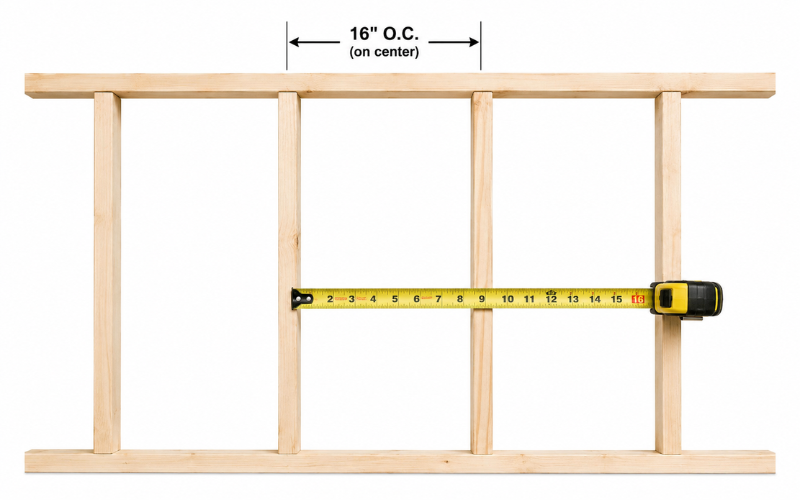
If you live in North America, you are surrounded by 16-inch measurements right now, even if you cannot see them. In standard residential construction, the vertical wooden boards behind your drywall—known as studs—are spaced exactly 16 inches apart from the center of one stud to the center of the next.
Why 16 Inches?
This specific spacing is not random. Standard building materials, such as drywall sheets and plywood, are manufactured in 4-foot by 8-foot sheets (48 inches by 96 inches). The number 16 divides perfectly into 48 exactly three times, and into 96 exactly six times. This ensures that the edges of every sheet of drywall will land perfectly in the center of a wooden stud, allowing builders to nail or screw the materials securely into place without wasting materials.
If you ever need to hang a heavy television, a large mirror, or floating shelves, finding the first stud means you can simply measure 16 inches to the left or right to easily find the next one.
2. An Extra-Large Pizza 🍕
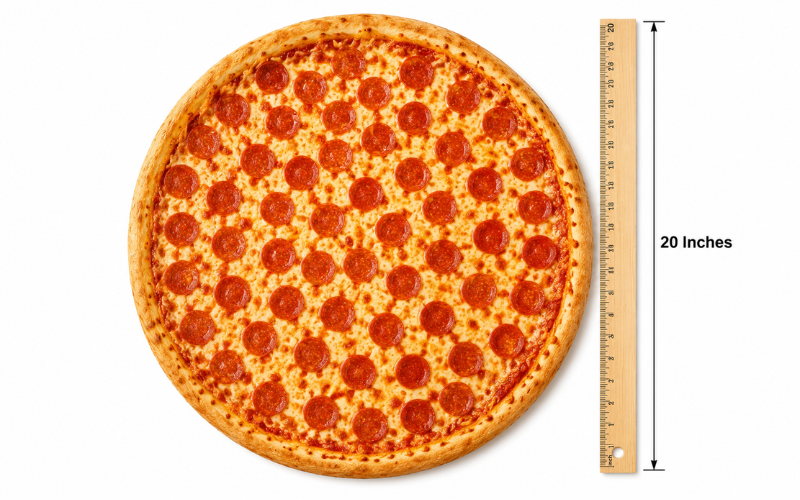
Next time you order dinner, take a look at the size of the box. While a standard “large” pizza at many major chains is 14 inches in diameter, local pizzerias and premium sizes often step up to the 16-inch pie.
The Math of the Meal
Humans are generally bad at estimating surface area. A 16-inch pizza sounds only slightly bigger than a 14-inch pizza. It is just two inches, right? Actually, because of how the area of a circle is calculated, a 16-inch pizza offers significantly more food.
A 14-inch pizza has roughly 154 square inches of surface area. A 16-inch pizza jumps up to about 201 square inches. That means a 16-inch pizza gives you roughly 30% more cheese, sauce, and crust than a 14-inch pizza. The diameter running straight across that extra-large box is a perfect, delicious 16-inch reference tool.
3. A Premium Laptop Screen 💻
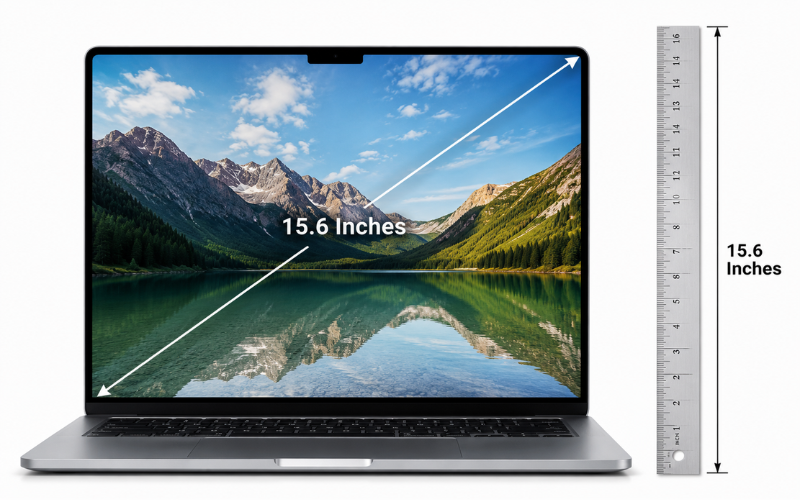
For years, the standard size for a workhorse laptop was 15.6 inches. Recently, major technology companies realized they could shrink the plastic borders (the bezels) around the screen and fit a slightly larger display into the same size aluminum chassis. The result is the highly popular 16-inch laptop.
Diagonal Measurement
When checking your laptop screen, keep in mind that screens are measured diagonally. If you place a tape measure at the bottom left corner of the illuminated display and stretch it to the top right corner, it will measure exactly 16 inches.
This size has become the gold standard for software developers, video editors, and digital artists who need extra vertical screen space to see their code, timelines, and toolbars without squinting or constantly scrolling.
4. A Standard Wire Coat Hanger 🧥
Open your closet and pull out a standard wire hanger from the dry cleaner. If you measure it straight across the bottom straight edge, you will find it measures approximately 16 inches wide (sometimes ranging up to 18 inches for thicker wooden variants).
Clothing Care and Dimensions
This specific width is designed to match the average shoulder width of human clothing. If a hanger is too narrow, clothes will slide right off and bunch up on the closet floor. If the hanger is too wide, it will stretch out the fabric of the sleeves and leave ugly, permanent bumps in the shoulders of your favorite shirts. The 16-inch width strikes the perfect balance for holding everything from light blouses to medium-weight jackets safely in place.
5. The Body of a Full-Size Viola 🎻
In the string instrument family, the viola sits right between the violin and the cello in both size and pitch. While violins have a highly standardized size, violas are unique because they can vary based on the arm length and preference of the player. However, the most common standard size for a professional adult player is a 16-inch viola.
Acoustic Resonance
When musicians refer to a 16-inch viola, they are talking strictly about the length of the instrument’s wooden body, ignoring the long neck and the scroll at the top. The 16-inch body provides the necessary acoustic chamber volume to project the instrument’s signature rich, warm, and dark tones. If the body were smaller, it would sound too bright, like a violin.
6. A Medium-Duty Chainsaw Bar 🪚
If you spend time doing yard work or cutting firewood, you likely know that chainsaws are categorized by the length of their cutting bar. A 16-inch chainsaw is one of the most common and versatile tools available for homeowners.
Practical Yard Work
The length of the bar determines the maximum diameter of the tree trunk or branch you can cut through in a single pass. A 16-inch bar allows the user to easily slice through 14-inch logs. It is long enough to handle storm cleanup and firewood processing, but short enough that the tool remains relatively lightweight, balanced, and easy to control, reducing user fatigue compared to massive 20-inch professional logging saws.
7. A Standard Square Throw Pillow 🛋️
Take a look at the decorative pillows resting on your living room sofa or your bed. The standard, most widely manufactured size for a square throw pillow is 16 inches by 16 inches.
Interior Design Basics
When interior designers purchase pillow inserts and covers, the 16-inch square is the baseline. This size is large enough to show off intricate fabric patterns and provide actual lumbar support when sitting, but small enough that it does not overwhelm a standard loveseat or armchair. If you need a quick visual estimate of 16 inches in a home goods store, just look at the nearest basic decorative pillow.
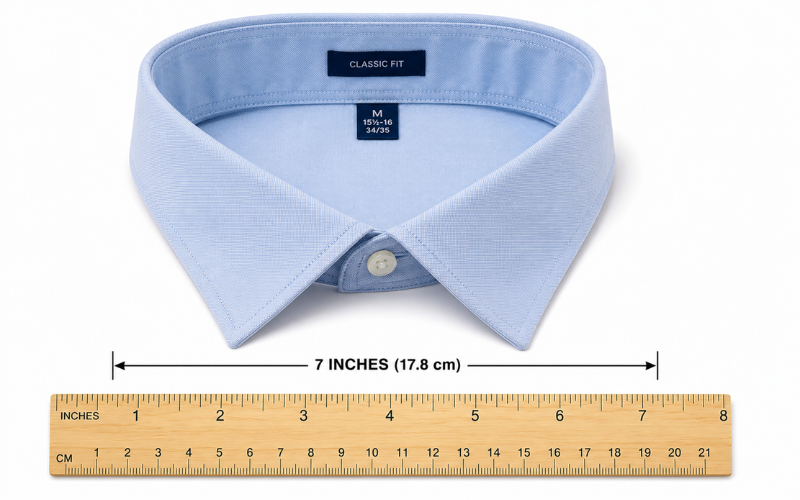
8. A Men’s Medium-to-Large Shirt Collar 👔
In men’s formal wear, dress shirts are sold by neck circumference and sleeve length rather than simple “small, medium, or large” tags. A highly common neck size for a standard adult male is 16 inches.
Tailoring Measurements
To find this measurement, a tailor wraps a soft measuring tape around the base of the neck, placing one or two fingers under the tape to ensure the collar will be comfortable and breathable when fully buttoned and paired with a necktie. A 16-inch collar generally corresponds to a modern men’s “Large” t-shirt, making it one of the most frequently stocked sizes in any retail clothing store.
9. A Standard Crash Cymbal 🥁
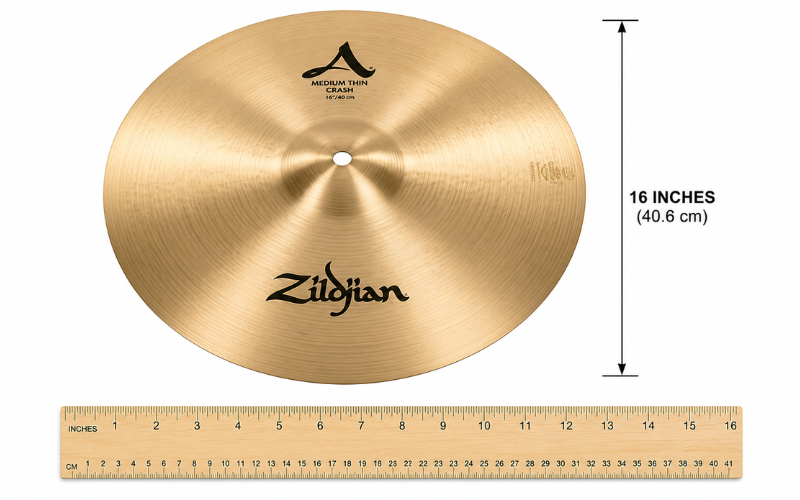
At a live music venue, take a look at the drummer’s kit. The shiny brass cymbals suspended on metal stands come in highly specific sizes that dictate their sound. The most ubiquitous crash cymbal—the one the drummer hits to create a loud, explosive accent at the end of a musical phrase—is exactly 16 inches in diameter.
Sound Dynamics
A 16-inch crash cymbal hits the sweet spot for modern rock, pop, and jazz music. It is thin and wide enough to open up quickly, providing a bright, sharp crash sound, but it is small enough that the sound decays rapidly so it doesn’t drown out the singer or the guitar players.
10. Kids’ Bicycle Tires 🚲
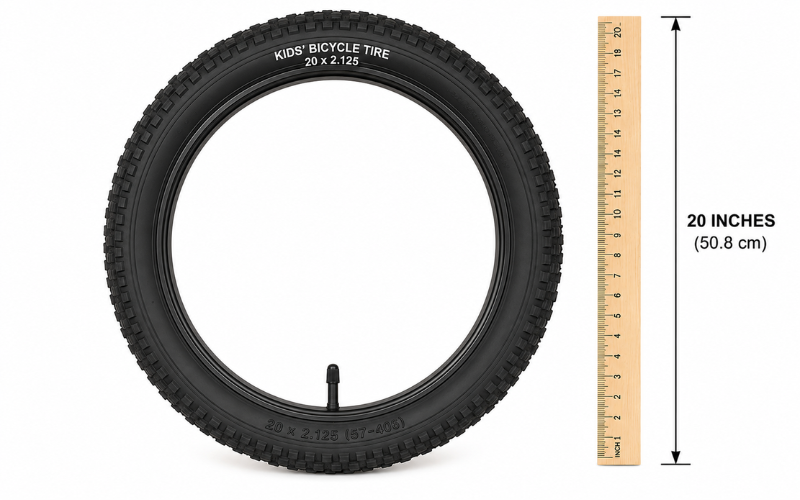
Bicycles are sized differently depending on whether they are for adults or children. While adult bikes are sized by the frame height, children’s bikes are sized by the diameter of their wheels. A 16-inch bicycle features wheels that measure exactly 16 inches across.
Childhood Milestones
This specific size is a major milestone in childhood. A 16-inch bike is typically designed for children between the ages of 4 and 6 years old, or kids who are roughly 3 feet, 5 inches tall. This is the classic “first pedal bike” size, often equipped with removable training wheels. If you see a small bicycle parked on a neighborhood sidewalk, there is a very high chance the tires are precisely 16 inches across.
11. Four Stacked Coffee Mugs ☕
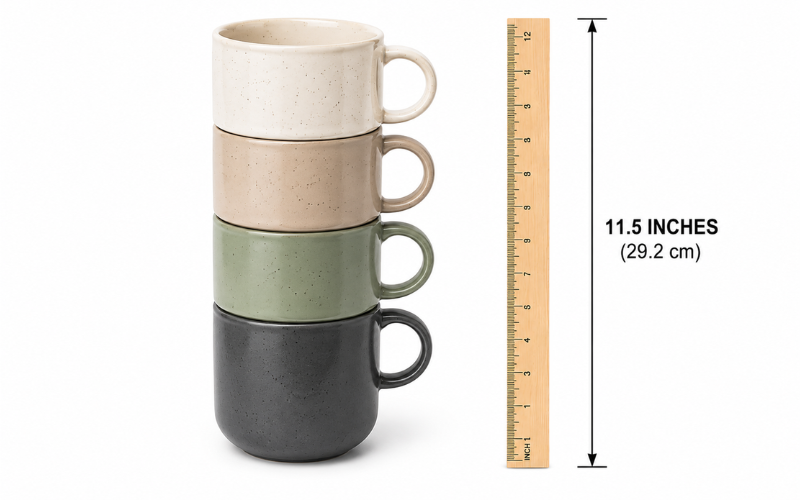
Sometimes you need to visualize a measurement using only the items immediately available in your kitchen cabinets. Grab a standard, everyday 11-ounce ceramic coffee mug. These everyday mugs are nearly universally manufactured to be roughly 4 inches tall.
Visualizing the Stack
If you stack four of these standard mugs straight up on the counter, the total height of the tower will be almost exactly 16 inches. This is a great mental trick for estimating the height of shelves in your kitchen. If you need to know if a tall blender or a box of cereal will fit on a pantry shelf, just ask yourself: “Could I fit four coffee mugs stacked up in that space?”
12. Two Unsharpened No. 2 Pencils ✏️
For an office or classroom setting, look no further than a brand new, unsharpened standard No. 2 yellow pencil. Straight out of the box, including the metal ferrule and the pink eraser at the end, a standard pencil measures between 7.5 and 8 inches long.
The Desk Ruler
If you place two brand new pencils end-to-end on a desk, you will create a line that is between 15 and 16 inches long. If you are ever trying to measure a poster, a padded shipping envelope, or a stack of papers and you lack a ruler, pulling two fresh pencils out of the supply closet will give you an incredibly accurate physical measuring stick.
The Importance of Measuring in 16-Inch Increments 📏
You might wonder why we rely so heavily on the 16-inch measurement, particularly in North America. The answer largely boils down to the history of engineering, construction, and mathematics.
The number 16 is a highly composite and useful number. It can be divided in half evenly multiple times (16, 8, 4, 2, 1). This makes it incredibly easy for carpenters, machinists, and builders to find the center of an object without dealing with complex fractions or decimals.
Furthermore, as mentioned in the wall stud section, 16 inches is the backbone of the Imperial measurement building system. If you look closely at a standard metal tape measure, you will notice that the numbers 16, 32, 48, 64, 80, and 96 are often highlighted in red or marked with a special black diamond. These are known as “stud marks.” They exist solely to help people quickly mark out 16-inch intervals without having to do the math in their heads.
Frequently Asked Questions (FAQs)
What is 16 inches in centimeters?
16 inches is exactly 40.64 centimeters. To convert inches to centimeters manually, you simply multiply the number of inches by 2.54.
How can I estimate 16 inches using my body?
For the average adult, the distance from the tip of the elbow to the tips of the fingers (the forearm) is about 15 to 18 inches. For many people, placing your elbow on a table and extending your hand straight up gives a very close approximation of a 16-inch length.
Is 16 inches a foot?
No, one foot is exactly 12 inches. Therefore, 16 inches is equal to 1 foot and 4 inches (or 1.33 feet).
How long is 16 inches compared to a piece of paper?
A standard piece of US Letter printer paper is 11 inches long and 8.5 inches wide. If you lay two pieces of paper side-by-side along their widths (8.5 + 8.5), they will measure 17 inches across, which is just one inch longer than 16 inches.
Is a 16-inch laptop too big for college?
While a 16-inch laptop offers a beautiful, large screen for multitasking and writing papers, it can be slightly heavy and bulky for carrying across a large university campus all day. Many students prefer a 13-inch or 14-inch laptop for high portability, though a 16-inch model is highly recommended for design, architecture, and engineering students who need the visual space.
Related Posts
- 10 Common Things That Are 15 Inches Long
- 12 Common Things That Are 14 Inches Long
- 12 Common Things That Are 13 Inches Long
- 12 Common Things That Are 12 Inches Long
Conclusion 🎯
Understanding the physical dimensions of the world around you becomes remarkably simple when you anchor your measurements to everyday objects. Whether you are hanging a picture frame using the standard spacing of wall studs or trying to visualize a new workspace with a laptop screen in mind, keeping these twelve 16-inch reference points in your memory serves as a highly reliable mental tape measure. By practicing this spatial awareness with common items like a wire hanger or a decorative throw pillow, you can confidently estimate sizes, tackle household projects, and never feel frustrated when a real ruler is completely out of reach.
FOR MORE MEASUREMENTS VISIT: MEASURINGSPOT