
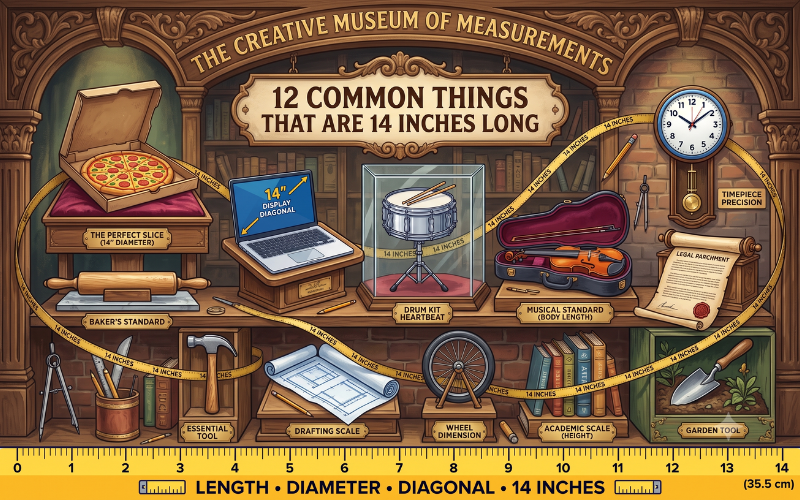
Grasping the physical dimensions of the world around us helps with everything from buying furniture to packing a backpack. While most of us can easily estimate an inch or a foot, visualizing exactly 14 inches (approximately 35.56 centimeters) can be a bit more challenging.
Having a mental reference guide for specific measurements saves time and prevents mistakes. Whether you are trying to figure out if a new monitor will fit on your desk or you just want to improve your spatial awareness, comparing measurements to everyday objects is a highly effective strategy.
Below, we explore a detailed list of common items that measure exactly or approximately 14 inches in length, diameter, or diagonal span.
Quick Summary: 14 Inches at a Glance ⚡
If you are in a rush and need a fast reference, here are the objects we will cover in detail. These items regularly feature a 14-inch dimension in their standard manufacturing:
- Legal Size Paper: Exactly 14 inches long.
- A Large Pizza: Standard 14-inch diameter.
- Laptop Screens: 14 inches measured diagonally.
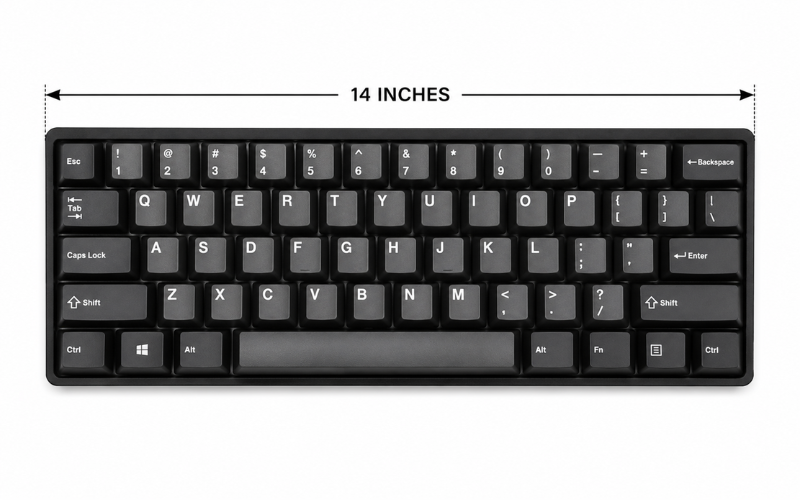
- Tenkeyless (TKL) Keyboards: Roughly 14 inches wide.
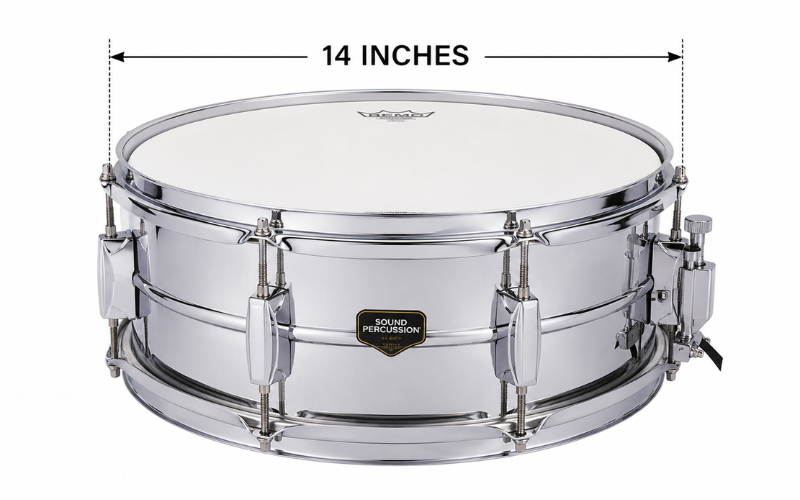
- Standard Snare Drums: 14-inch drumhead diameter.
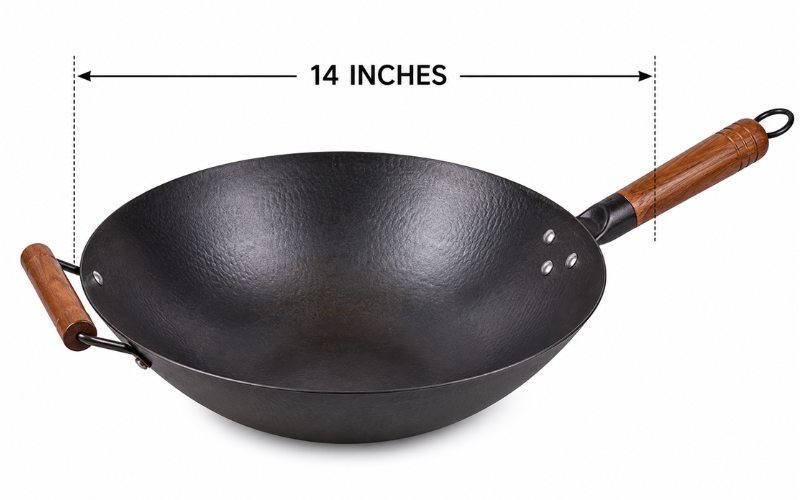
- Traditional Home Woks: 14 inches across the top.
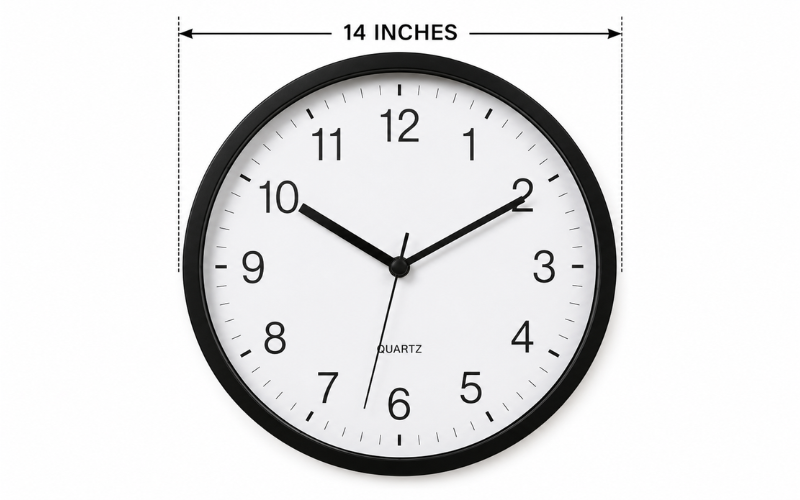
- Office Wall Clocks: Standard 14-inch face.
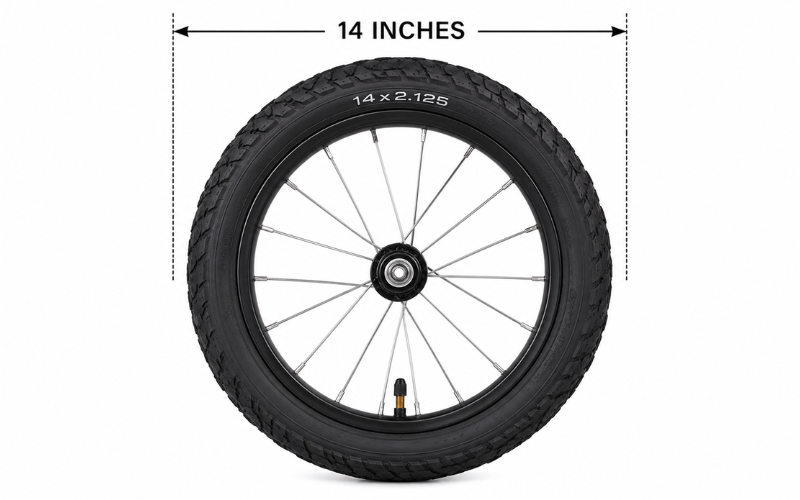
- Kids’ Bicycle Tires: 14-inch wheel diameter for toddlers.
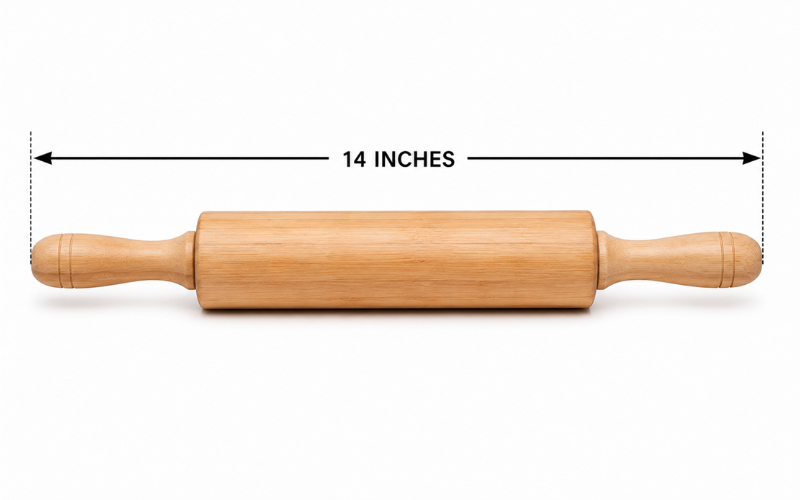
- Baker’s Rolling Pins: 14-inch barrel length.
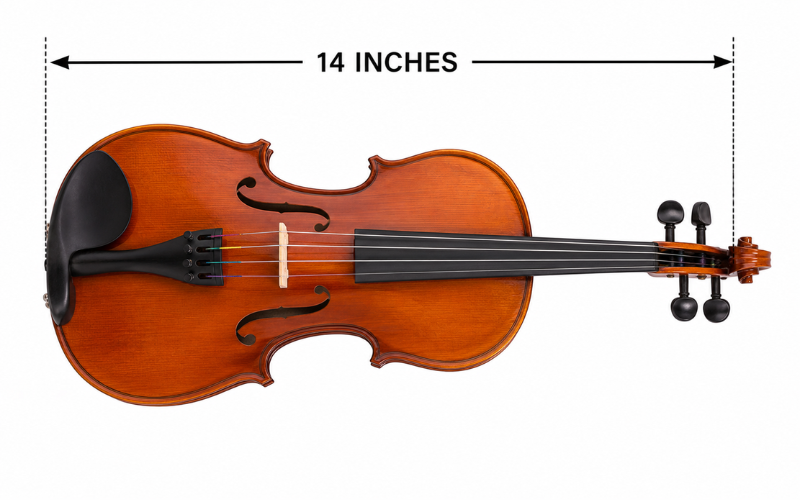
- Student Violas: 14-inch body length for beginners.
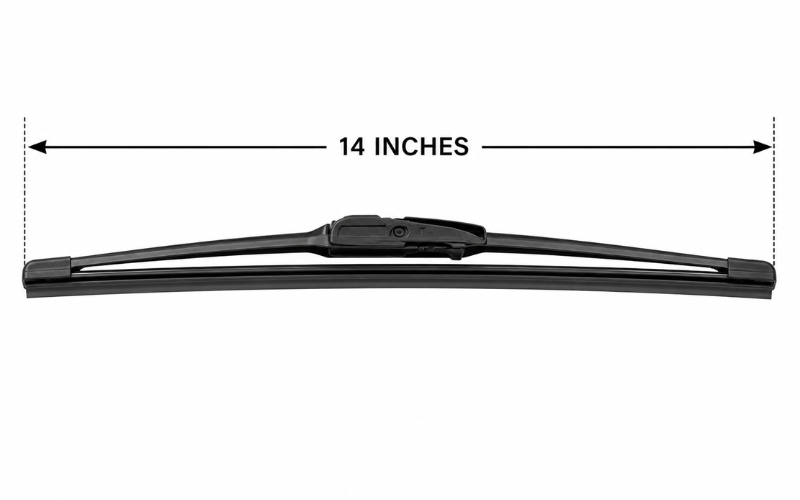
- Rear Windshield Wiper Blades: 14 inches for compact cars.
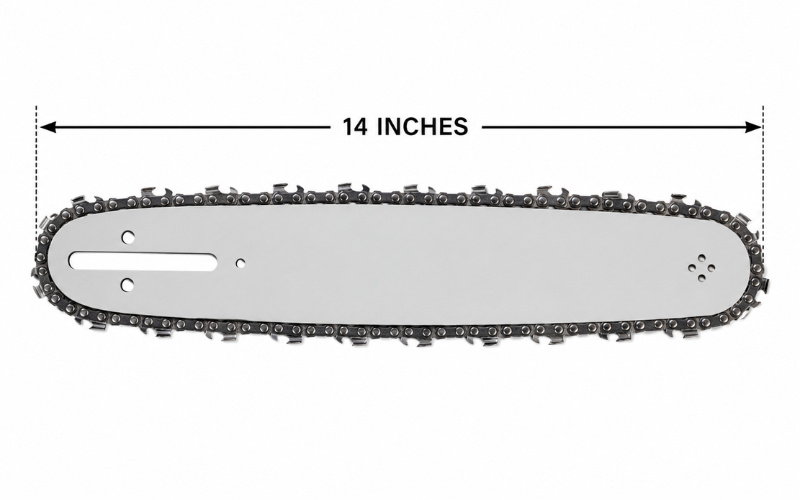
- Homeowner Chainsaw Bars: 14-inch cutting length.
BioWiki Table of 14-Inch Objects 📊
For a quick reference of how these objects fit into daily life and what specific part of them measures 14 inches, consult this organized table.
| Object | Category | Dimension Measured | Everyday Utility |
| Legal Paper | Office Supplies | Length (Top to Bottom) | Contracts, legal documents, real estate forms. |
| Large Pizza | Food & Dining | Diameter (Edge to Edge) | Feeding 3 to 4 people at gatherings. |
| Laptop Screen | Electronics | Diagonal (Corner to Corner) | Balancing screen real estate with backpack portability. |
| TKL Keyboard | Electronics | Width (Side to Side) | Ergonomic typing and freeing up desk space. |
| Snare Drum | Musical Instruments | Diameter (Hoop to Hoop) | The primary rhythm instrument in a standard drum kit. |
| Traditional Wok | Kitchenware | Diameter (Top Rim) | Stir-frying meals for a family of four. |
| Wall Clock | Home Decor | Diameter (Outer Rim) | Reading the time easily from across a large room. |
| Kids’ Bike Tire | Sporting Goods | Diameter (Tire Edge) | Providing stability for children aged 3 to 5 learning to ride. |
| Rolling Pin | Kitchenware | Barrel Length (Excluding handles) | Rolling out pie crusts, pizza dough, and pastries. |
| Student Viola | Musical Instruments | Body Length | Allowing younger students to comfortably reach notes. |
| Wiper Blade | Automotive | Length (End to End) | Clearing rain and debris from rear windshields. |
| Chainsaw Bar | Hardware/Tools | Cutting Length | Trimming branches and cutting small firewood. |
1. Legal Size Paper 📄
The Office Standard
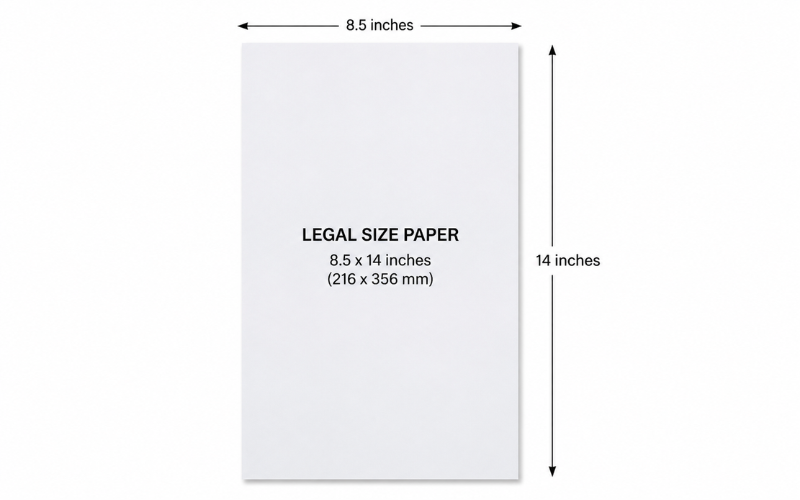
In the United States and Canada, standard letter paper measures 8.5 by 11 inches. However, the legal profession relies heavily on “legal size” paper, which measures exactly 8.5 by 14 inches. The extra three inches in length provide a specific functional advantage that has kept this size in circulation for decades.
Why the Extra Length Exists
Historically, lawyers needed more space at the bottom of documents to write lengthy footnotes, signatures, and addendums without having to start a new page. The 14-inch length became the industry standard for contracts, deeds, and loan documents. Even in the digital age, many electronic contracts are formatted to a 14-inch ratio so they print correctly in law offices. If you take a standard piece of legal paper, you are holding a perfect 14-inch measuring tool.
2. A Large Pizza 🍕
The Mathematics of Pizza
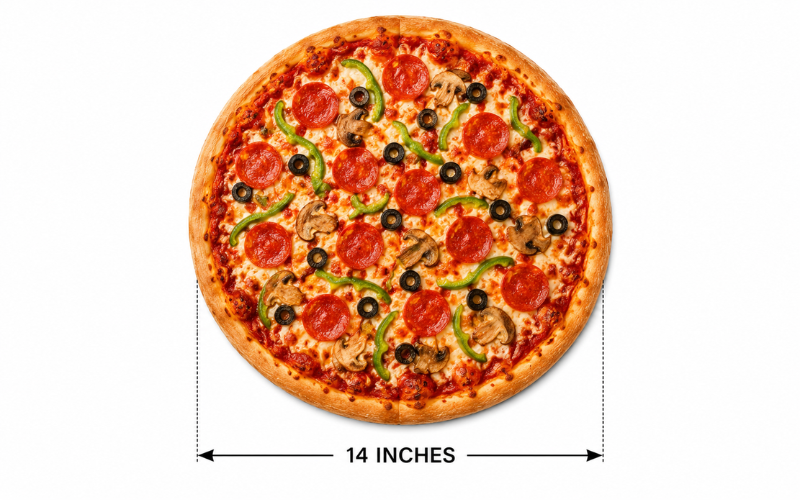
When you order a “large” pizza from most major commercial pizza chains, the box that arrives at your door almost certainly contains a pie with a 14-inch diameter. Understanding pizza math helps explain why this size is the industry standard.
Area and Value
A 14-inch pizza offers significantly more food than a 12-inch medium pizza. Because the area of a circle is calculated using the formula pi multiplied by the radius squared (
$$A = \pi r^2$$
), a 14-inch pizza has an area of roughly 153.9 square inches. A 12-inch pizza only has about 113 square inches. That extra two inches in diameter results in nearly 40% more pizza. This 14-inch standard is perfectly portioned to feed three to four adults, making it the most common size manufactured for pizza pans and delivery boxes.
3. A 14-Inch Laptop Screen 💻
The Portability Sweet Spot
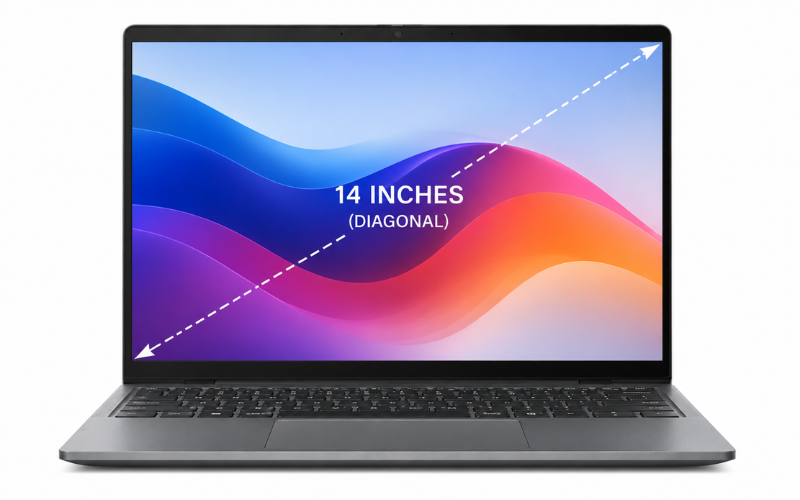
When shopping for a computer, you will constantly see 14-inch models advertised. In the technology sector, screen size is measured diagonally from the bottom corner to the opposite top corner, not straight across the width.
Balancing Work and Travel
For many years, the laptop market was divided between ultra-portable 13-inch screens and bulky 15-inch screens. Hardware manufacturers realized that a 14-inch display offers the perfect middle ground. It provides enough visual space to have two application windows open side-by-side, yet the physical footprint of the laptop remains small enough to slide easily into a standard backpack or messenger bag. Due to shrinking bezels (the plastic or metal border around the screen), modern 14-inch laptops are now roughly the same physical size that 13-inch laptops used to be.
4. A Tenkeyless (TKL) Computer Keyboard ⌨️
Optimizing Desk Space
A standard full-size computer keyboard, which includes the number pad on the right side, typically measures around 17 to 18 inches in width. A Tenkeyless (TKL) keyboard chops off that number pad, resulting in a width that usually falls exactly at or just under 14 inches.
Ergonomic Benefits
This 14-inch width is highly sought after by PC gamers, programmers, and office workers. By removing the number pad, the mouse can be brought much closer to the keyboard. This alignment allows your arms to rest at a more natural, shoulder-width position, reducing strain on your wrists and shoulders during long computer sessions. The 14-inch TKL design has become one of the most popular form factors in the mechanical keyboard market.
5. Standard Snare Drum 🥁
The Heartbeat of the Kit
If you look at a standard acoustic drum set, the snare drum—the drum positioned directly in front of the drummer, known for its sharp, staccato sound—almost universally features a 14-inch diameter.
Acoustic Resonance
Drum makers have experimented with various sizes over the past century, ranging from 10-inch “popcorn” snares to massive 16-inch marching band snares. However, the 14-inch diameter produces a highly specific balance of tone and volume. It offers a crisp attack when struck, but leaves enough surface area for the drumhead to resonate fully. Whether playing jazz, rock, or hip-hop, the 14-inch snare remains the undisputed standard in recording studios worldwide.
6. A Traditional Home Wok 🍳
The Culinary Workhorse
Originating in China, the wok is a versatile round-bottomed cooking vessel used for stir-frying, steaming, pan-frying, and deep-frying. While commercial restaurant woks can exceed 20 inches in diameter, the standard size recommended for home kitchens is 14 inches.
Heat Distribution and Handling
A 14-inch wok is large enough to cook a meal for a family of four without crowding the ingredients. Crowding a pan lowers the cooking temperature and causes food to steam rather than fry. Furthermore, a 14-inch diameter fits perfectly over standard home gas or electric burners, ensuring the heat is distributed evenly across the bottom while the slanted sides remain slightly cooler. It is also light enough for a home cook to comfortably lift and toss food.
7. Standard Office Wall Clock 🕒
Reading the Time from Afar
Walk into any classroom, office building, or hospital, and you will likely see a round analog clock on the wall. The most common commercial size for these clocks is 14 inches in diameter.
Visibility Standards
This dimension is not random; it is chosen based on optical readability. A 14-inch clock face features numbers large enough to be read clearly from 20 to 30 feet away—the typical length of a classroom or conference room. The size provides enough physical space for high-contrast, thick black numbering on a white background, ensuring that everyone in the room can easily keep track of the time.
8. Kids’ Bicycle Tires 🚲
The Transition Years
Children’s bicycles are categorized by wheel size rather than frame size. You will find bikes with 12-inch, 14-inch, 16-inch, and 20-inch wheels. The 14-inch bicycle tire is specifically designed for children usually between the ages of 3 and 5, or those standing roughly 36 to 40 inches tall.
Stability and Center of Gravity
A 14-inch wheel provides a slightly smoother ride than a 12-inch wheel because the larger diameter rolls over sidewalk cracks and small pebbles more easily. At the same time, it keeps the bicycle’s center of gravity low to the ground, which helps toddlers maintain their balance as they transition from training wheels to independent riding.
9. Baker’s Rolling Pin 🥖
Standardizing the Dough
While rolling pins come in dozens of shapes and sizes—from massive fondant rollers to tiny specialized pastry tools—the standard American-style rolling pin (the kind with a wooden cylinder and two handles) usually features a central barrel that is 14 inches long.
Kitchen Practicality
This 14-inch length provides enough surface area to roll out a standard pie crust or pizza dough in just a few passes, ensuring the dough does not become overworked and tough. Additionally, 14 inches is a practical measurement for kitchen storage; it fits comfortably horizontally inside most standard kitchen cabinet drawers.
10. Student Viola 🎻
Sizing String Instruments
The viola looks like a violin but is slightly larger and produces a deeper, mellower tone. Unlike violins, which max out at a “full size” of 14 inches, adult violas can be up to 17 inches in length. However, a 14-inch viola (measured by the length of the instrument’s body, excluding the neck and scroll) is the standard size for young students, usually around 10 to 12 years old.
Ergonomics of Playing
String instruments require the player to extend their left arm out to hold the neck. If the instrument is too long, the player will strain their neck and shoulder muscles. The 14-inch viola perfectly accommodates the arm span of a pre-teen, allowing them to learn proper fingering techniques and bowing posture before moving up to a full-sized adult instrument.
11. Rear Windshield Wiper Blade 🚗
Clearing the View
Windshield wiper blades come in lengths ranging from 10 inches to over 28 inches. While front windshields typically use asymmetrical sets (like a 22-inch driver blade and an 18-inch passenger blade), the single wiper mounted on the rear window of hatchbacks, compact SUVs, and station wagons is frequently exactly 14 inches long.
Surface Area Optimization
Rear windows are generally shorter and wider than front windshields. A 14-inch blade sweeps the perfect arc to clear the center field of vision—exactly where the driver looks through their rearview mirror—without hitting the top frame or the bottom trunk seal of the car.
12. A Homeowner’s Chainsaw Bar 🌲
The Cutting Length
The metal plate that the chainsaw chain runs around is called the guide bar. For general yard maintenance, the most commonly purchased chainsaw bar length is 14 inches.
Capacity and Safety
A 14-inch bar can easily cut through branches, small trees, and firewood up to roughly 12 inches in diameter. This covers 90% of the tasks a standard homeowner will face. Furthermore, a 14-inch saw is much lighter and easier to control than a massive 20-inch professional logging saw. The shorter bar reduces the risk of “kickback,” making it a safer tool for amateur users clearing debris in their backyards.
Why Visualizing 14 Inches is Useful in Daily Life 🧠
Memorizing the length of common objects is more than just a fun trivia exercise; it has highly practical applications.
Online Shopping and Furniture Planning
When shopping online, product photos can be incredibly misleading. A lamp might look massive in a photo but arrive as a tiny desk accessory. If the product description lists the height as 14 inches, you can instantly picture a large pizza or a legal-size piece of paper standing on end. This helps you determine if the lamp will fit under your kitchen cabinets or look proportionate on your nightstand.
Packing and Travel
Airlines have strict dimensional limits for carry-on luggage and personal items. If an airline states that a personal item must not exceed 14 inches in one dimension, you can quickly look at your laptop or a legal pad to gauge whether your tote bag will pass the gate check without having to dig around for a tape measure.
DIY and Home Improvement
When hanging pictures, spacing out garden plants, or estimating the size of a piece of hardware at the home improvement store, having mental references speeds up the decision-making process. If a hardware store employee asks how much chain you need, and you know it needs to be slightly longer than a standard rolling pin, you can confidently estimate your requirements.
How to Estimate 14 Inches Without a Ruler 📏
If you do not have any of the items listed above on hand, you can still estimate 14 inches using your own body. While human bodies vary significantly in size, these average measurements can help you make a close guess in a pinch.
- The Forearm Method: For the average adult, the distance from the point of the elbow to the tips of the fingers is about 15 to 18 inches. If you mark the distance from your elbow to the first knuckle on your hand, you will usually find a measurement very close to 14 inches.
- The Hand Span Method: Spread your hand as wide as possible. The distance from the tip of your thumb to the tip of your pinky finger on an adult male is about 9 inches, and on an adult female, about 8 inches. One and a half hand spans will roughly equal 14 inches.
- The Shoe Method: A men’s US size 13 or 14 shoe (the physical outside of the shoe, not the foot inside) is often right around 13 to 14 inches in length from heel to toe.
14 Inches in the Metric System 🌐
In the United States, customary units like inches and feet are the norm. However, the rest of the world relies on the metric system. If you are communicating with international manufacturers, ordering parts from overseas, or reading foreign blueprints, you must know how to convert 14 inches accurately.
- Centimeters (cm): There are exactly 2.54 centimeters in one inch. Therefore, 14 inches multiplied by 2.54 equals exactly 35.56 centimeters.
- Millimeters (mm): To find millimeters, simply multiply the centimeters by 10. Thus, 14 inches equals 355.6 millimeters.
- Meters (m): 14 inches is equal to 0.3556 meters, which is just over one-third of a meter.
Understanding these conversions ensures precision, especially in fields like woodworking, machining, and engineering where a fraction of a millimeter can alter an entire project.
Frequently Asked Questions (FAQs) ❓
How do you measure 14 inches on a screen?
You cannot reliably use an onscreen ruler to measure physical objects because screen resolution and zoom levels vary drastically between devices. An inch displayed on a mobile phone will not be the same physical size as an inch displayed on a desktop monitor. Always use a physical measuring tape or one of the physical reference objects mentioned above (like legal paper).
Is a 14-inch pizza considered a medium or a large?
In the commercial pizza industry, a 14-inch diameter pie is almost universally classified as a “Large.” A medium is typically 12 inches, and an extra-large is usually 16 inches.
What is the exact metric equivalent of 14 inches?
14 inches is exactly 35.56 centimeters. If you are working in millimeters, it is 355.6 mm.
Will a 14-inch laptop fit in a standard backpack?
Yes. Almost all standard school and commuter backpacks are designed to accommodate up to a 15-inch laptop. A 14-inch laptop will comfortably slide into the padded sleeve of most modern bags with room to spare for chargers and accessories.
How wide is a 14-inch TV or monitor?
Screen sizes are measured diagonally. Therefore, a 14-inch screen with a standard 16:9 widescreen aspect ratio is roughly 12.2 inches wide and 6.9 inches tall. The actual physical width of the device will be slightly larger depending on the thickness of the plastic border (the bezel) surrounding the screen.
Related Posts
- 12 Common Things That Are 13 Inches Long
- 12 Common Things That Are 12 Inches Long
- 12 Common Things That Are 11 Inches Long
- 12 Common Things That Are 9 Inches Long
Conclusion 🎯
Having a mental library of 14-inch objects is a surprisingly practical tool that simplifies everyday tasks, from visualizing online purchases to organizing your workspace. By associating abstract measurements with familiar items like a large pizza, a legal document, or a standard laptop screen, you completely eliminate the guesswork and make spatial planning much easier. The next time you find yourself without a measuring tape, you can confidently rely on these everyday comparisons to get the job done accurately and efficiently.
FOR MORE MEASUREMENTS VISIT: MEASURINGSPOT