

When you tackle a DIY repair, shop for watch straps, or order hardware online, measurements can feel abstract. A millimeter is tiny, but once you bundle 25 of them together, you arrive at a clean, versatile benchmark in everyday design and manufacturing.
So, how big is 25mm in the real world? In simple terms, 25 millimeters equals almost exactly 1 inch. Specifically, one international inch measures 25.4 millimeters, meaning a 25mm span is merely 0.4mm shy of an inch—a microscopic difference you can barely detect with the naked eye.
Recognizing this dimension without grabbing a digital caliper or a ruler makes everyday shopping and DIY projects far easier. Here is a definitive breakdown of what 25mm looks like, along with ten familiar, everyday items that match this exact size.
Quick Answer: How Big Is 25mm at a Glance?
- Exact Imperial Value: 0.984 inches (practically 1 inch).
- Centimeter Value: 2.5 centimeters (cm).
- Pocket Comparison: Slightly larger than a US quarter (24.26mm) and almost identical to a UK £1 coin (23.43mm) or a 1-inch diameter bottle cap.
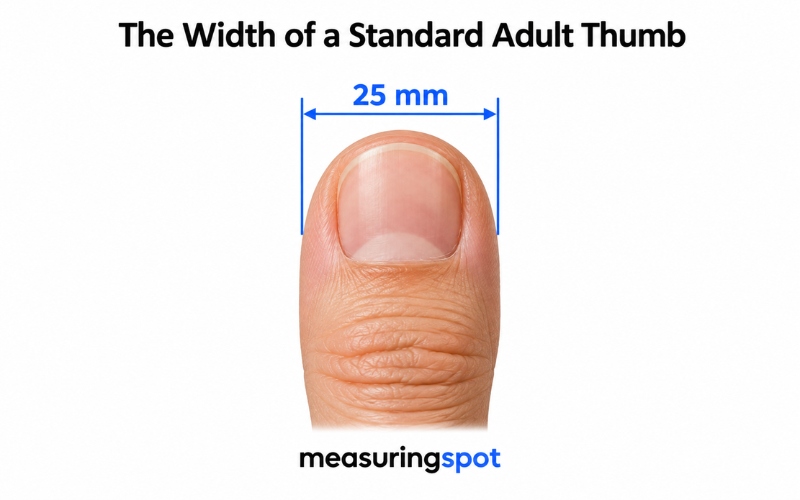
- Finger Reference: Roughly the width of an adult thumb across the primary knuckle.
If an item fits comfortably across your thumb knuckle or matches a standard plastic soda cap across its top, you are looking at a 25mm object.
25 Millimeters Fast Facts and Conversion Wiki
Here is a reference summary detailing how 25 millimeters fits across standard imperial and metric measurement systems:
| Metric Measurement | Equivalent Value | Common Application / Context |
| Millimeters (mm) | 25 mm | Standard engineering and tool metric unit |
| Centimeters (cm) | 2.5 cm | School rulers, fabric tapes, craft projects |
| Meters (m) | 0.025 m | Architectural scale drafting |
| Inches (in) | 0.98425 in | Construction lumber, fasteners, standard tool sizes |
| Feet (ft) | 0.08202 ft | Bulk engineering and rough framing |
| Points (pt) | ~70.87 pt | Typography, graphic layout, print design |
| Gauge (Conduit / Tubing) | Standard 1-inch nominal trade size | Electrical raceways and domestic plumbing lines |
Why 25mm Is the Unofficial King of Everyday Measurements
Manufacturers across the globe rely heavily on 25mm because it bridges the divide between the metric and imperial systems. Countries that use metric blueprints can manufacture products for nations using imperial guidelines without redesigning physical factory molds.
A 1-inch pipe fitting, a 25mm electrical conduit, and a 1-inch ratchet strap handle share virtually identical tooling lines. When engineers select round stock, stamping dies, or cut holes through metal, 25mm serves as the universal baseline.
Understanding this measurement saves you time at the home improvement store, helps you avoid ordering wrong-sized hardware parts online, and lets you evaluate project scale instantly.
10 Common Everyday Objects That Measure 25mm
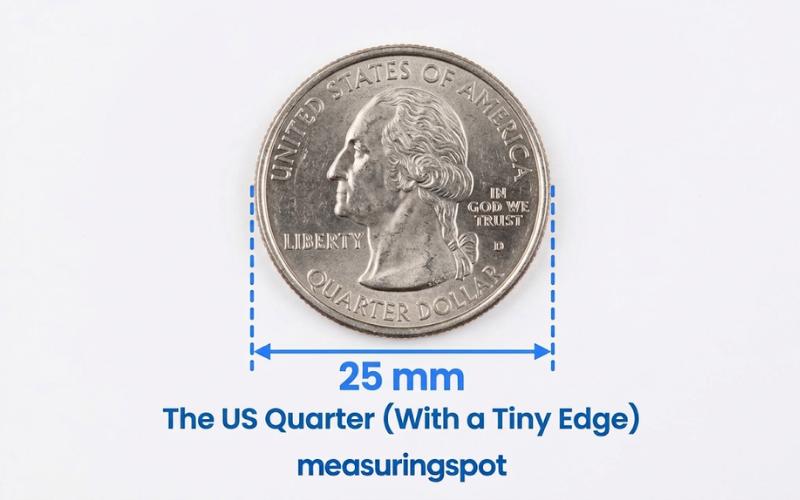
1. The US Quarter (With a Tiny Edge)
Grab pocket change, and you hold one of the best size gauges in your palm. A United States quarter coin measures 24.26 millimeters in diameter.
If you trace a circle around a quarter and add the thickness of a fingernail around the border, you get an exact 25mm circle. The coin’s thickness sits at 1.75mm, so if you stack fourteen quarters on top of each other, the total height also hits nearly 25mm.
Whether you check the spacing between screws or measure a clearance gap under a cabinet, keeping a quarter in your pocket provides an instant, portable measuring guide.
2. Standard Plastic Soda Bottle Caps
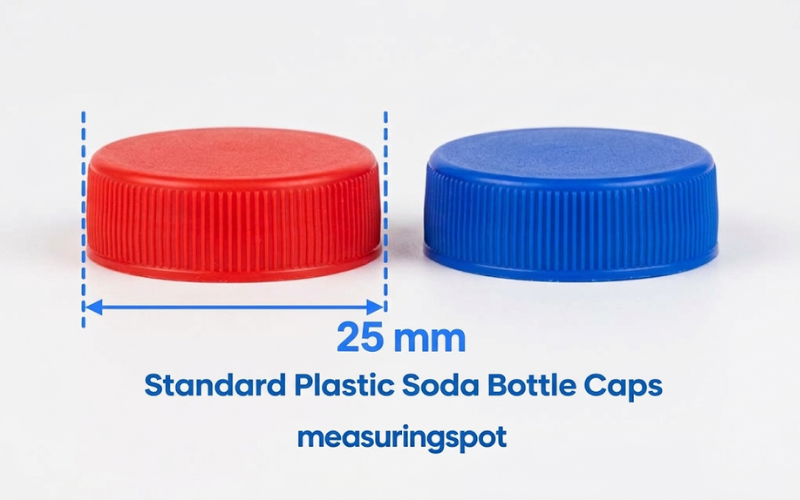
Take a standard plastic cap off a 20-ounce or 2-liter bottle of soda. Across its flat exterior top surface, the outer diameter sits at approximately 25mm to 28mm, while the internal thread opening measures standard 28mm PCO (Plastic Closure Only) finish.
The inner sealing liner and top circle feature an exact 25mm diameter contact surface. If you need to visualize a 25mm drill hole or punch opening, set a plastic soda cap down on your workbench. It offers a solid, tangible object that matches the visual bulk of a 25mm circle.
3. A 1-Inch Heavy-Duty Webbing Strap
Outdoor backpacks, tactical gear, ratchet tie-downs, and dog collars rely on 25mm woven webbing straps. Gear makers advertise these components as “1-inch webbing,” but foreign and domestic factories weave the fabric to an exact 25mm width.
The plastic and metal side-release buckles attached to these straps feature an internal slot measuring 25mm wide. The next time you adjust your backpack shoulder straps or clip a dog harness into place, look closely at the strap width. You are holding a working example of 25mm fabric engineering.

4. Standard 1-Inch PVC Pipe (Outer Diameter Benchmark)
Plumbing measurements often confuse homeowners because pipe sizing refers to nominal inside bore dimensions rather than outside edges. However, standard furniture-grade thin-wall conduit and various European plumbing tubes use 25mm as their outer wall diameter.
When you install electrical conduit lines in garages or workshops, 25mm rigid PVC conduit protects the run. If you grab an open tube cut to 25mm outer diameter, your thumb covers the hole almost completely. Plumbers rely on this size daily to run electrical feeds and small water delivery lines.

5. Standard Large Metal Binder Clips
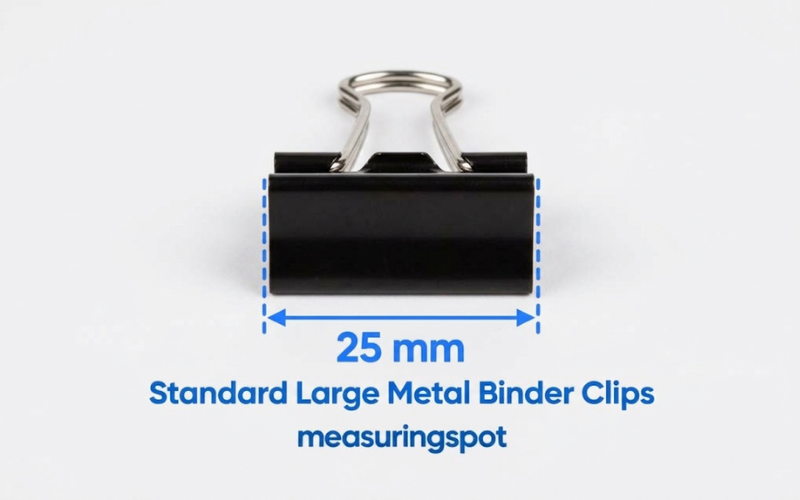
Search through your desk drawer for office supplies. The medium-to-large black steel binder clip features a flat bottom base that measures precisely 25 millimeters (1 inch) across.
The triangular steel body uses this 25mm spine to distribute spring tension across stacks of paper without creasing them permanently. Laying the clip flat on a document shows you exactly how much space a 25mm span occupies on a printed page.
6. Small Diameter Adhesive Craft / Garage Sale Stickers
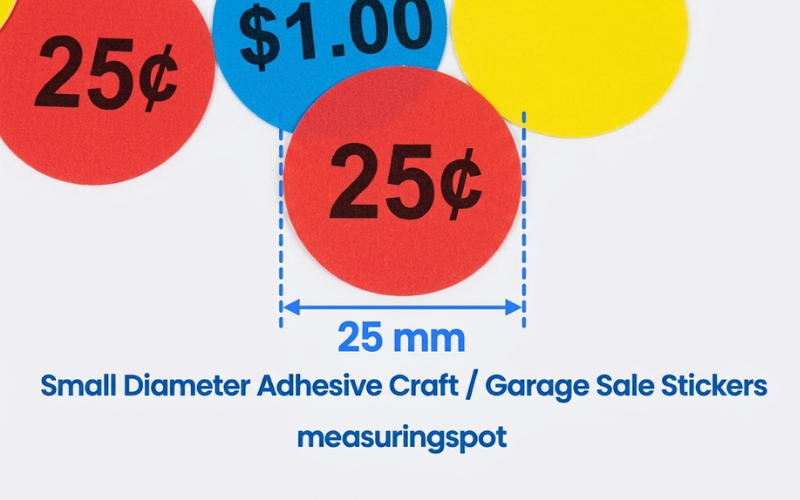
Round sticker labels—the kind teachers use to reward students or that homeowners stick on items during garage sales—often ship in standard 25mm (1-inch) round cuts.
Printers cut these self-adhesive circles to the 25mm standard because it fits neatly onto bottle lids, file tabs, and cardboard shipping tags without wasting sheet space. If you peel one of these circular labels and place it on your hand, you cover a neat 25mm circular footprint.
7. Large Diameter Board Game Buttons and Poker Chips
While full casino poker chips typically measure 39mm, mini travel chips, wooden checkers pieces, and tokens from tabletop board games use a standard 25mm diameter circle.
Game designers favor this size because human fingers grip a 25mm wooden or plastic token naturally between the thumb and index finger. It provides enough surface area for embossed numbers, symbols, or tactile ridges while leaving plenty of room on the game board for multiple pieces.

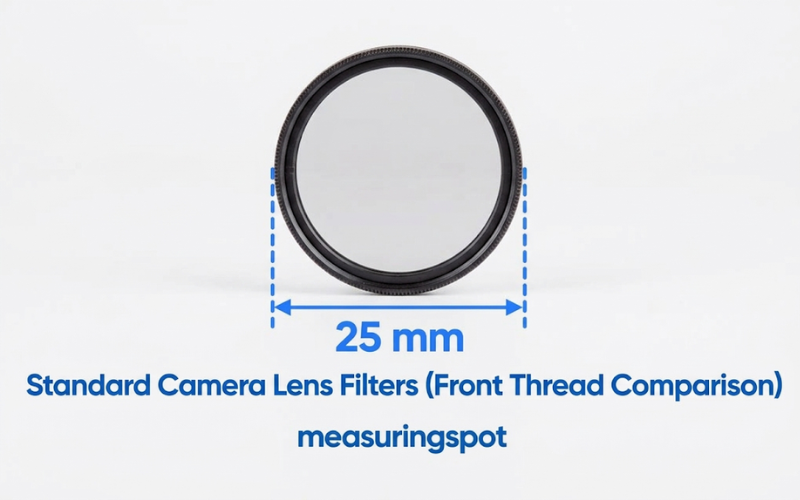
8. Standard Camera Lens Filters (Front Thread Comparison)
Photographers work with millimeter measurements on every piece of camera gear they purchase. While full-frame DSLR lenses often feature 58mm or 77mm front threads, compact mirrorless cameras, action cams, and vintage rangefinders frequently utilize 25mm or 25.5mm lens filters.
In surveillance cameras and drone camera housings, 25mm lenses also refer to the focal length. A 25mm focal length on a Micro Four Thirds sensor delivers a classic, natural field of view that matches human eye focus. In physical hardware, the mounting ring for these compact filters represents an exact 25mm circular glass housing.
9. A Standard 1-Inch Hardware Washer
Walk into any hardware store and pull an SAE 1-inch flat washer or an oversized 1/4-inch fender washer from the bin. The total outer diameter of a standard fender washer measures roughly 25 millimeters.
Mechanics use 25mm washers to distribute the clamping force of bolts across sheet metal panels, drywall anchors, and wooden joints. The metal disk prevents the bolt head from sinking into soft woods or crushing thin sheet metal. Picking up one of these steel washers gives you an exact sense of the weight, thickness, and footprint of a 25mm disc.

10. The Width of a Standard Adult Thumb
You carry the ultimate 25mm reference tool everywhere you go: your hands. On an average adult hand, the width across the widest part of the thumb—right across the nail base or first joint—measures between 24mm and 26mm.
Carpenters, stonemasons, and seamstresses have used the thumb as a standard unit of measure for centuries. In fact, in several European languages, including French (pouce) and Dutch (duim), the word for “inch” is the exact same word as “thumb.” Whenever you lack a ruler, press your thumb flat against the object to verify a 25mm span.
25mm vs. Neighboring Measurements
Millimeters can blur together on a tiny ruler line. To keep your perspective sharp, here is how 25mm compares against common adjacent sizes:
20mm vs. 25mm
Five millimeters makes a noticeable difference in hardware and jewelry. A 20mm circle matches the diameter of a standard US penny or a small euro cent coin. Moving from 20mm to 25mm increases total surface area by over 50 percent, making watch cases, rings, and pipe fittings look significantly bolder.
25mm vs. 30mm
A 30mm measurement exceeds the size of a standard silver half-dollar coin. At 30mm, watch dials begin looking oversized on smaller wrists, and plumbing pipes jump from residential secondary branches to main building supply lines.
Where You Will Encounter 25mm in Daily Life
Watch Making and Jewelry
Watchmakers measure case diameters, dial openings, and lug widths in millimeters. While modern men’s watches often range between 38mm and 42mm, classic vintage women’s watches routinely measure 25mm across the case.
Furthermore, men’s watch straps often taper down to a 25mm band width on oversized luxury sports watches. When buying a replacement strap or bracelet, knowing what 25mm looks like prevents expensive return shipments.
Woodworking, Carpentry, and Fasteners
Woodworkers reach for 25mm wood screws constantly. A 25mm screw is the go-to fastener when joining two 1/2-inch plywood panels together without the sharp tip poking out through the back face.
Drill bits also feature 25mm spade bits and hole-saw cutters. Craftsmen use these bits to drill clean entry points for cables behind entertainment centers or bore spaces for closet dowel rods.
Fitness and Gym Gear
Weightlifting equipment features two primary barbell collar standards: 50mm (2-inch Olympic bars) and 25mm (1-inch standard home gym bars).
If you own a basic home weight bench with threaded screw collars, you are using a 25mm solid steel bar. Weight plates made for these bars feature a center hole cut to 25.4mm, allowing the plates to slide smoothly over the steel shaft without excessive wobble.
How to Measure 25mm Accurately Without a Ruler
If you find yourself on a job site or in a store without measuring tape, use these practical field techniques:
- The Credit Card Trick: Standard credit cards and driver’s licenses follow ISO/IEC 7810 standards. The short edge of any credit card measures 53.98mm. If you fold that short side conceptually in half, you get 27mm—giving you an instant estimation tool within 2 millimeters of 25mm.
- Standard Paper Clip Length: A small, regular paper clip measures almost exactly 25mm (1 inch) from the outer loop curve to the opposite end. Keep one hooked inside your wallet or notebook for quick checks.
- The Two-Finger Pinch: For most people, the distance from the top crease of your index finger to the tip of your fingernail runs between 23mm and 26mm. Compare an unknown gap against that first finger segment to verify scale fast.
Frequently Asked Questions About 25mm
Is 25mm exactly 1 inch?
No, but it is extremely close. One international inch equals 25.4 millimeters. That leaves a difference of 0.4mm (roughly 1/64 of an inch), which is smaller than the thickness of five stacked sheets of printer paper. For general household projects, you can treat 25mm and 1 inch as identical.
How many centimeters are in 25mm?
There are 2.5 centimeters in 25 millimeters. You calculate this by dividing the millimeter value by 10, since 10 millimeters make up a single centimeter.
Can a 25mm socket fit a 1-inch nut?
In most cases, yes, though it fits tightly. A 1-inch bolt head measures 25.4mm across flats. A loose-tolerance 25mm socket might struggle to seat properly over a true 25.4mm hex head, but many 1-inch and 25mm mechanics’ tools interchange safely on low-torque jobs. When working with high-torque automotive parts, always select the exact designated unit to avoid rounding off hex corners.
What size drill bit matches 25mm?
A 1-inch drill bit creates a 25.4mm hole, which works well if you want a clearance hole for a 25mm pin or pipe. If you need a snug friction fit, use a dedicated 25mm metric brad point bit, spade bit, or metric Forstner bit.
How big is a 25mm watch case?
A 25mm watch case is petite. This size represents a traditional, elegant women’s dress watch dimension. It sits quietly on the wrist without covering the entire arm width. Modern men’s sports watches rarely drop below 36mm, making a 25mm case distinctly compact by current standards.
Does 25mm equal gauge 0 in wire sizing?
No. American Wire Gauge (AWG) numbers decrease as diameter increases, but AWG 0 (often called 1/0) wire measures approximately 8.25mm in core diameter. A 25mm electrical item generally refers to the outer conduit pipe diameter housing multiple wire bundles, not the electrical conductor itself.
Mastering Everyday Measurements
Gauging dimensions without specialized equipment simplifies daily decisions. When you remember that 25mm equals the width of an adult thumb, the edge of a paper clip, or a US quarter coin, you eliminate guesswork across home repairs, online shopping, and craft hobbies.
The next time you review technical specs, inspect hardware, or replace home fixtures, rely on these common reference points. You will judge scale accurately, pick the right parts, and complete projects with confidence.
Related Posts
- 10 Common Things That Are 20 mm Big
- 10 Common Things That Are 19 mm Big
- 10 Common Things That Are 18 mm Big
- 10 Common Things That Are 17 mm Big
Conclusion
Mastering everyday measurements eliminates the guesswork from DIY repairs, online shopping, and crafting projects. Once you anchor 25 millimeters to tangible objects—like a standard US quarter, a common bottle cap, or the width of your own thumb—you no longer need to scramble for a ruler to confirm scale. This simple visual benchmark bridges the gap between metric blueprints and standard imperial hardware, turning an abstract number into a practical tool you can use anywhere.
Whether you are sizing replacement watch straps, picking the right fasteners at the hardware store, or drilling clean clearance holes, keeping these ten common items in mind ensures accurate decisions. By relying on familiar references, you save time, avoid costly order returns, and tackle technical tasks with genuine confidence.
FOR MORE MEASUREMENTS VISIT: MEASURINGSPOT